
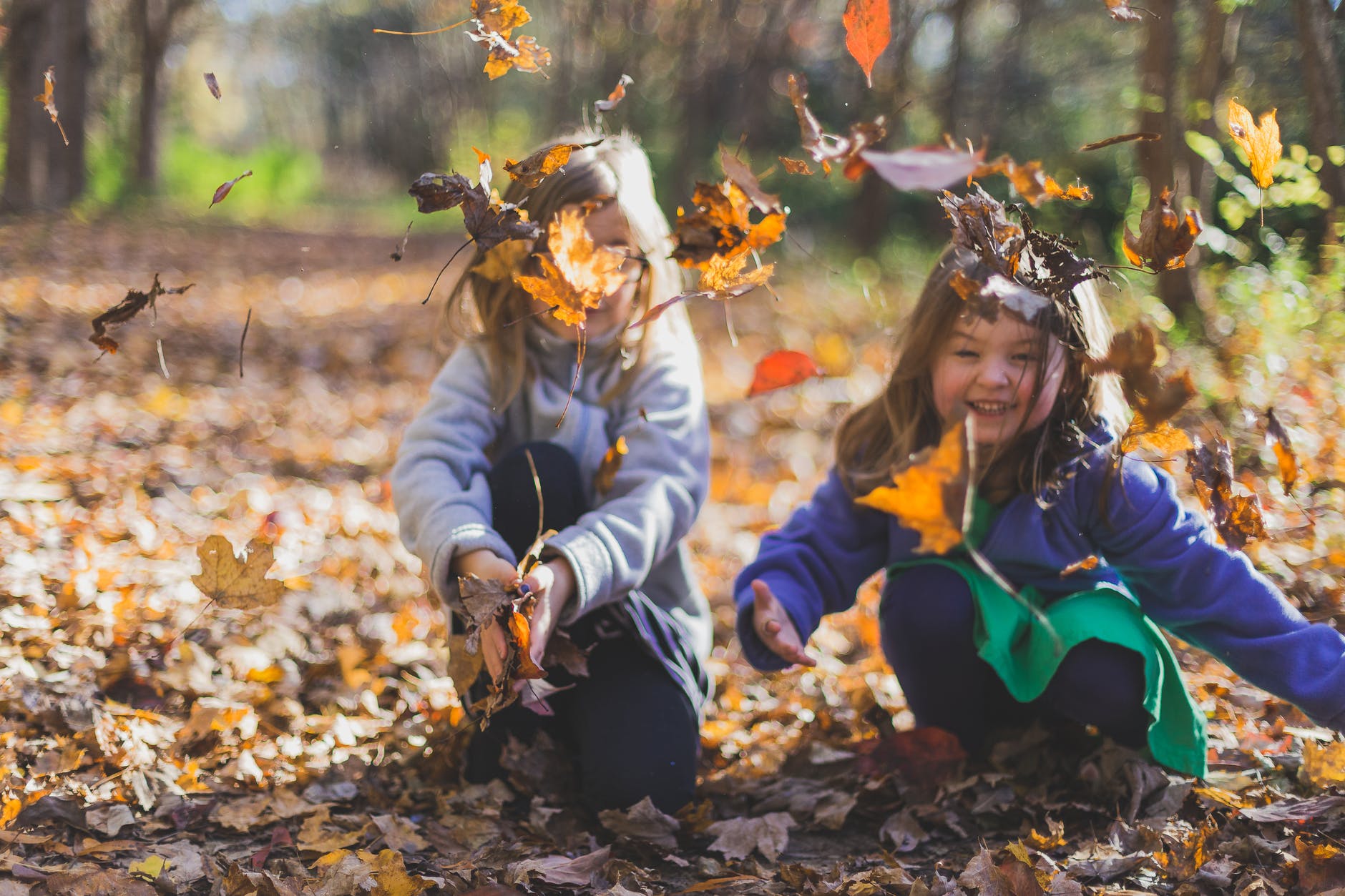
Children are more likely to succumb to the latest bug doing the rounds, this is due to the fact that their immune systems are still developing, and the fact that they are often in environments that enhance transmission of a variety of viruses.
I always remember my grandmother telling me that getting another cold will do me some good and make me stronger; there is an element of truth in this! In order for the immune system to fully develop and be more robust it needs challenging from time to time.
What if those challenges come too frequently? Or bring some nasty symptoms? If you want to support your child’s immune system and allow it to flourish and be prepared for the latest bug then there are several steps you can take.
Hygiene
Something that has been talked about a lot recently is hand washing. A good hand washing technique used frequently will certainly help. The 20 second rule is always a good one to stick by and I love the idea of teaching children to sing ‘Happy Birthday’ twice whilst washing hands – it certainly makes it more fun!
Be aware that washing hands too frequently with strong hand wash can also impact the natural beneficial bacteria on the skin, the skin microbiome is essential not only as a first line of defence but also to keep the skin healthy and prevent infection and irritation.
The ‘catch it, bin it, kill it’ campaign is also useful to teach children. I know many children, including my own, may be prone to using sleeves and other pieces of clothing to wipe noses. Provide your children with their own pack of tissues and encourage them to dispose of used tissues immediately.
Encouraging children to turn away and cough or sneeze into their elbow area rather than their hands can be tricky but after some practice it becomes a good habit.
Optimise nutrient intake
A healthy diet should provide a balance of vitamins, minerals and plant compounds that support the immune system. When it comes to food and the body, variety is the key. A diverse diet provides a vast array of nutrients. This is important as many nutrients work together, in synergy, and rely on others to be absorbed, regenerate or to function efficiently.
Eat the rainbow

Fruit and vegetables come in beautiful vivid colours and each bring a variety of essential nutrients such as vitamin C, vitamin E and plant polyphenols like anthocyanidins.
Encouraging children to eat the rainbow each day can help you to keep track of the variety of fruit and vegetables eaten. They can use a chart to tick off what they have eaten or even design their own. Getting them involved in making a chart can also be a great opportunity for them to learn more about what nutrients are in each type of food.
Once the first week is complete it can be fun to sit down and take a look at which colours may be missing or what they could include. Put an emphasis on eating more vegetables than fruit and although standard guidelines are to eat 5 a day – the optimal amount is much higher.
Encouraging children to eat fruit and vegetables is a tricky task and I can imagine every parent at some point has struggled with the ‘eat your veg’ debate at the table. It pays to get a bit sneaky at times with kids and hide a few veggies in meals! Grated carrot, courgette and butternut squash can be added to tomato based sauces, as can finely chopped mushrooms and peppers. I often like to make the sauce in advance and once cooled to blend it until it is smooth, once a few herbs are added the children don’t know any different (and neither does my husband).
A fresh fruit smoothie blended with oats and ground almonds can make a great smoothie bowl for breakfast. Sprinkle on some pumpkin seeds and low sugar granola – a great way to start the day.
Although it can be tempting to increase fresh fruit juices and smoothies as a way to boost intake, be aware they can be quite high in sugar – it is always best to eat the whole fruit. Balancing fruit intake by eating it with nuts and seeds further increases essential immune nutrients like zinc and selenium.
Avoid immune imbalancers
There are some foods that increase the use of vital immune supporting nutrients and it is best to limit or avoid these in order to fully enhance immune defences. These are the usual culprits including sugar and white refined foods (breads, pasta, pastries, biscuits etc) and it is always best to offer wholegrains. If children are used to eating white bread or pasta it may take some getting used to, but wholegrains are richer in fibre which supports the good gut bacteria.
Keep fried and fatty foods to a minimum and I would suggest avoiding all packaged snacks and meals. These types of foods are generally nutrient poor and may cause the body to use up vital immune supporting antioxidant nutrients.
Eat gut friendly foods
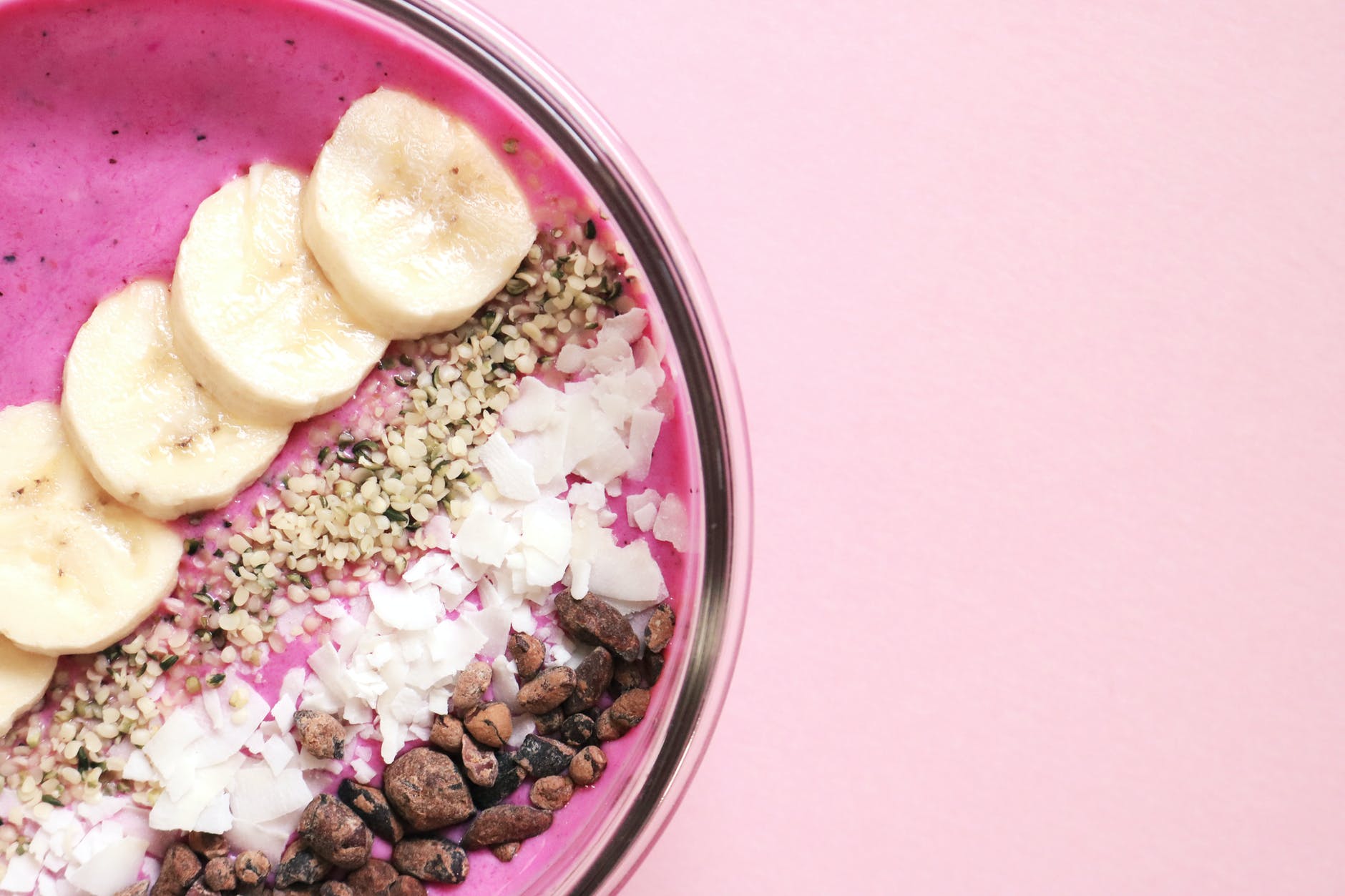
Over 70% of the immune system resides in the gut. It should be no surprise then that the beneficial bacteria that live in the gut, the microbiome, play a crucial role in immune functioning.
Keeping the gut bacteria in balance and well fed may make a huge difference to immune balance. Gut bacteria love to feed on fibre and a good selection of different types of fibres, called prebiotics, helps to nourish many different types of bacteria.
A good way to ensure that prebiotics are eaten is to encourage children to eat wholegrains and foods like oats. Prebiotic fruit and veg include Jerusalem artichokes, onions, leeks, garlic, bananas, chicory, asparagus, soy beans, dark green leafy veg and berries.
Live natural yoghurt can make a great alternative to high sugar yoghurts specifically marketed for children. A little mango puree or sugar free apple or pear compote can be added to the yoghurt for taste.
My children are fond of adding their own home made blueberry and apple ‘jam’ to plain yoghurt. It is very simple to make – add a whole punnet of fresh blueberries and 2 chopped apples to a pan with a dash of water and simmer gently for 10 minutes. Once cooled add a teaspoon of chia seeds to thicken it like jam. It can be frozen or kept in the fridge for up to 3 days.
Another great way to support gut bacteria is to give children kefir instead of yoghurt, this is fermented and rich in beneficial bacteria. Plain kefir can have a particular taste that children may not take to and there are now kefir products in squeezy tubes that are flavoured with nothing other than fruit puree.
Swapping to sourdough bread is also a supportive step and it can make delicious garlic bread if toasted and rubbed with fresh garlic.
Consider supplements
From time to time children may need a little extra support through nutritional and herbal supplements. This may be particularly useful over the winter months. A children’s multivitamin and mineral is a good starting point as it contains a full range of nutrients, including vitamin A, E and zinc and selenium, for optimal immune functioning.
Additional vitamin C, in the form of powder or capsule, can help top up levels. This can easily be sprinkled into breakfast, smoothies or yoghurts.
Guidelines now state that both adults and children may benefit from taking a vitamin D supplement from October through to the end of March. Vitamin D is known to play a role in the immune system and a lack of vitamin D may have negative effects.
A children’s probiotic supplement may also be useful, there are many on the market and these range from powdered forms through to liquids and capsules. The important thing is to look for a product designed for children, this not only ensures the dose is correct but also delivers the strains of bacteria that are specific to children and immune support.
Get outdoors

Being stuck inside stuffy rooms with no ventilation in close proximity to other people can increase transmission of viruses. Getting outside daily is essential for many reasons. First of all it increases exposure to natural daylight, something that is vital for setting the sleep/wake cycle and for increasing exposure to the suns UV rays, therefore stimulating natural vitamin D production.
Being outdoors and spending time in ‘green’ spaces like the woods or a park can enhance mental welbeing. Even children need a way to de-stress, particularly after a hard day at school. Stress is known to negatively impact immune function and so de-stressing activities may help to preserve immune function.
Sleep
Disrupted sleep patterns can cause a cascade of hormonal changes that may lead to a less than effective immune system. Children often experience sleep disruptions and it can difficult to ensure a good night’s sleep is had by all!
Setting a good bedtime routine is useful, avoiding phones, laptops and too much TV a few hours before bed can help the sleep hormone melatonin to be produced. A warm bath or shower followed by reading a good book can help children to unwind.
If you find your child is still a little ‘busy’ before bed then magnesium oil can be used to give a back massage to help them to sleep. Lavender essential oils are also calming.
Audio mediations and relaxation recordings specifically designed for children can be a lovely way to end the day.
It can seem like catching the latest virus is inevitable, but with some small changes you can ensure that your child has a strong, healthy immune system and is ready to deal with whatever comes their way.
Kelly
Stay in touch – Join me on Facebook for more health updates
 Kelly Rose Nutrition Consultancy