
There has been a clear message throughout the COVID-19 pandemic – wash your hands, keep your distance and cover your face. All sensible precautions to take when looking to prevent the spread of a virus.
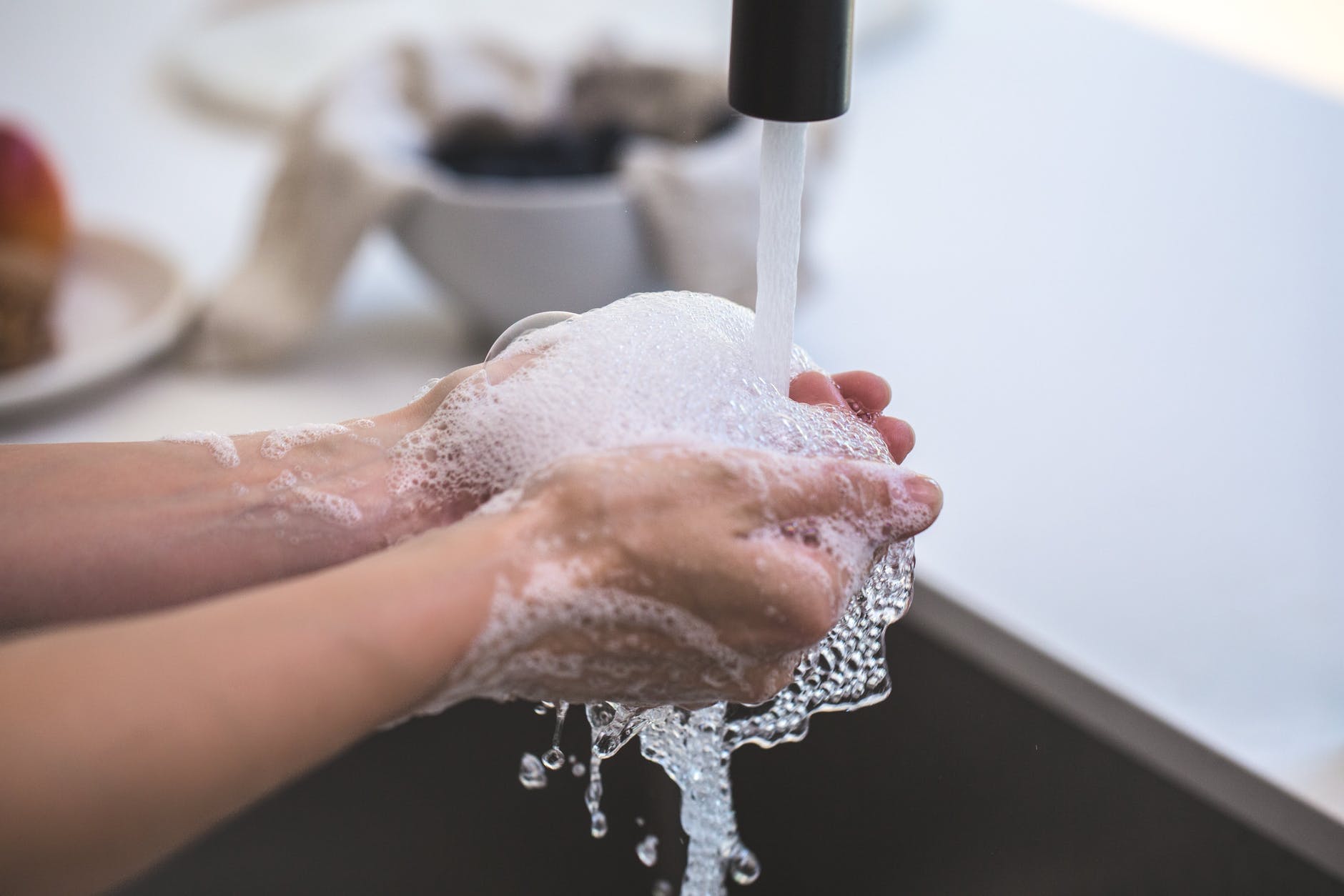
The widespread worldwide campaign on ‘how to wash hands’ reminded us that using warm water and soap and washing the front and back of the hands, and in between fingers, for at least 20 seconds is the most effective hand wash technique for reducing the spread.
A gentle reminder to keep good hand hygiene is not a bad thing – it may be easily forgotten and perhaps the younger generation and children may need a nudge in this area. Even without a pandemic, I find myself reminding my children to ‘wash their hands’, I am sure many parents are in the same boat here.
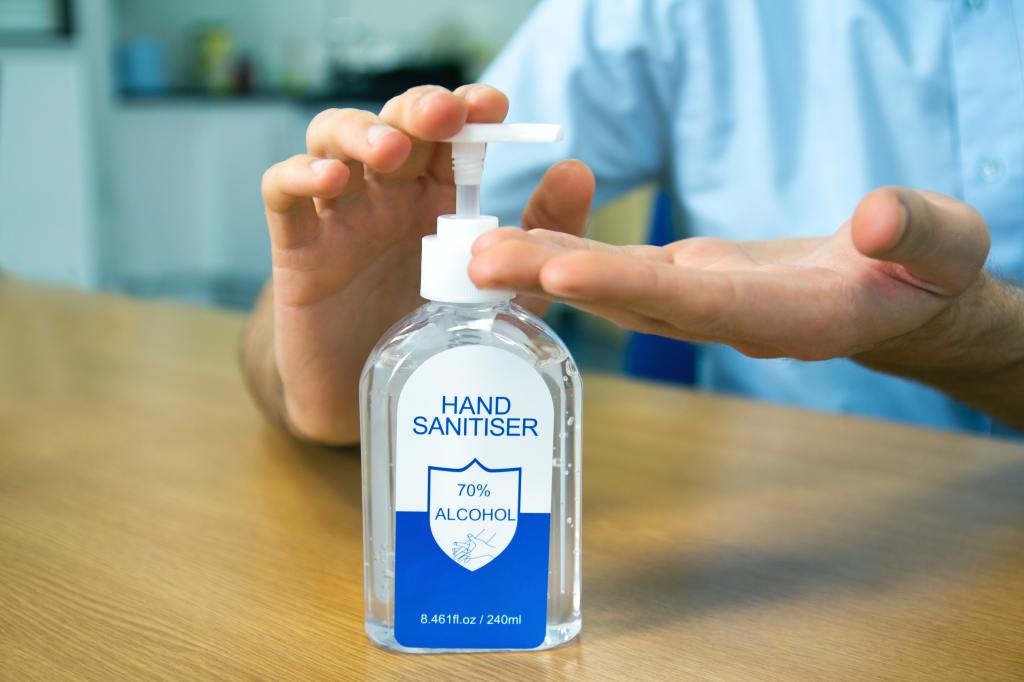
Over the last few months I have noticed that hand sanitiser use has taken over from washing hands. It is a requirement that shops, businesses and schools etc provide hand sanitiser and increase cleanliness on the premises. This means that the average person may be sanitising their hands upwards of 10 times a day.
Think about it – let’s take my children as an example, they are encouraged to sanitise when entering and leaving the school, after breaks and when entering the classroom. By my count that that could be at least 6-8 times in a 6 hour period.
Let’s also say that we have an unavoidable appointment to go to after school, that’s another 2 uses of hand sanitiser. Oh, a quick dash to the shop on the way back from the appointment to grab some supplies means another couple of squirts of hand sanitiser – that makes a whopping 10 uses of hand sanitisers in a 9 hour period.
Imagine how many times a day a healthcare worker, doctor or nurse uses hand sanitiser.
What’s the problem with using hand sanitisers?
In order for a hand sanitiser to be effective against a virus it needs to contain over 70% alcohol. Other ingredients include a concoction of chemical detergents and fragrances.
Alcohols frequently found in hand sanitisers include isopropyl alcohol, ethanol and hydrogen peroxides. All of these are known to have detrimental effects on the environment and also to human health.
Side effects of ingesting these alcohols is known to lead to gastro-intestinal upset, including irritation of the gut linings and vomiting, and also depression of the central nervous and respiratory systems.
Those of you are observant will have noted that I mentioned the word ‘ingesting’ – yes, I am talking about swallowing hand sanitiser. Hand sanitisers can remain on the skin for long periods of time and it is easy to transfer some sanitiser into the mouth when eating, biting nails, licking fingers, etc…This is particularly common in children but own up, who hasn’t eaten a snack lately that accidentally tastes of sanitiser?!
Let’s not forget that the skin is an active organ that also has the ability to absorb – chemicals applied to the skin may actually be found in circulation or deposited in tissues. Chronic exposure to chemicals and alcohols placed on the skin can increase the amount of toxins absorbed – the more you use it, the more chance there is of absorbing it.
A recent study published in The Science of the Total Environment Journal, provided some disturbing evidence on the over use of hand sanitisers in children.
In the study the authors highlight that “In early five months of 2020, American Association of Poison Control Center reported 9504 alcoholic hand sanitizer exposure cases in children under the age of 12 years and recognized that even a small amount of alcohol can cause alcohol poisoning in children that is responsible for confusion, vomiting and drowsiness, and in severe cases, respiratory arrest and death.”
Quite staggering statistics. The study doesn’t mention the impact upon adults, however negative effects can’t be ruled out because adults have a larger body size, or fully developed detoxification pathways or are, arguably, more sensible with hand sanitiser.
Impact on skin

The skin is an amazing organ with a large surface area (which increases absorption capacity). The skin is one of the first lines of defence for the body and acts as a natural barrier.
The skin also houses a vast array of commensal bacteria and other organisms that contribute to what is known as the skin microbiome. Specific strains of bacteria that are found on the skin are known to help the immune system by priming certain cells to respond to foreign particles – including viruses and harmful bacteria.
Using harsh hand sanitisers too frequently may not only have a drying effect on the skin which may cause redness and irritation but also impact the delicate balance of the skin microbiome.
An imbalance in skin bacteria may lead to inflammation, development of various skin disorders or an overgrowth of harmful bacteria. This has been found to potentially increase the risk of infection for other viral diseases. There are some medical experts that are now warning against the excessive use of alcohol based hand sanitisers for this very reason.
Another study published in 2020 reports that overuse of alcohol based hand sanitisers leads to antimicrobial resistance – the bacteria adapt and mutate, becoming resilient to the effects of the sanitiser –allowing them to spread.
What’s the solution?
Quite simply, WASH YOUR HANDS, instead of reaching for the hand sanitiser. Educating children in why, how and when to wash hands is vital to not only protect them from catching and passing on viruses but also from the negative effects of alcohol based hand sanitisers.
In case you missed the hand washing campaign, here is a reminder:
- Use warm water to wet hands thoroughly.
- Using soap, make a lather.
- Rub the backs of the hands and the fingers.
- Rub in between the fingers, around the thumbs and fingertips.
- Rinse with clean water.
- Dry hands thoroughly on a disposable paper towel and turn off the tap with a towel.
This should take around 20 seconds, or as long as it takes to sing ‘Happy birthday’ twice.
The COVID-19 pandemic may feel like it isn’t going away anytime soon and good hand hygiene remains one of the key steps to take to prevent the spread. In order to protect your first line of defence, your skin, drop the hand sanitiser in favour of old fashioned soap and water.
Kelly
Stay in touch – Join me on Facebook for more health updates
 Kelly Rose Nutrition Consultancy