

Autumn is a season that brings many changes, leaves on deciduous trees turn to rich reds, oranges and yellow before they fall, days become shorter and the weather becomes colder and more unpredictable.
Seasonal changes affect all of us in different ways, some people take pleasure in the changes to the landscape and enjoy the crisper, cooler temperatures whilst others feel the darker colder days make them want to hibernate.
Autumn, and the change through to winter, can impact both physical and mental health. Taking positive steps and being aware of changing requirements can help you stay in optimum health through the seasonal transition.
Here are my top tips for autumn:
Stay hydrated
During the summer months cold drinks are used a way of cooling down, once the temperatures drop in autumn, water intake may fall. The human body contains a large amount of water and a good water intake is vital for enzyme reactions, elimination, brain functioning and for transporting nutrients and cells in blood.
A daily intake of approximately 8 glasses of water, or around 1.5-2 litres of water is optimum. This can be from fresh water, hot drinks like herbal tea, hot water with lemon juice or tea and coffee alternatives like redbush tea or chicory root coffee. Foods like soups and stews also contribute water. Keep an eye on your fluid intake as the season changes and take note of how much you do actually drink.
Eat with the seasons
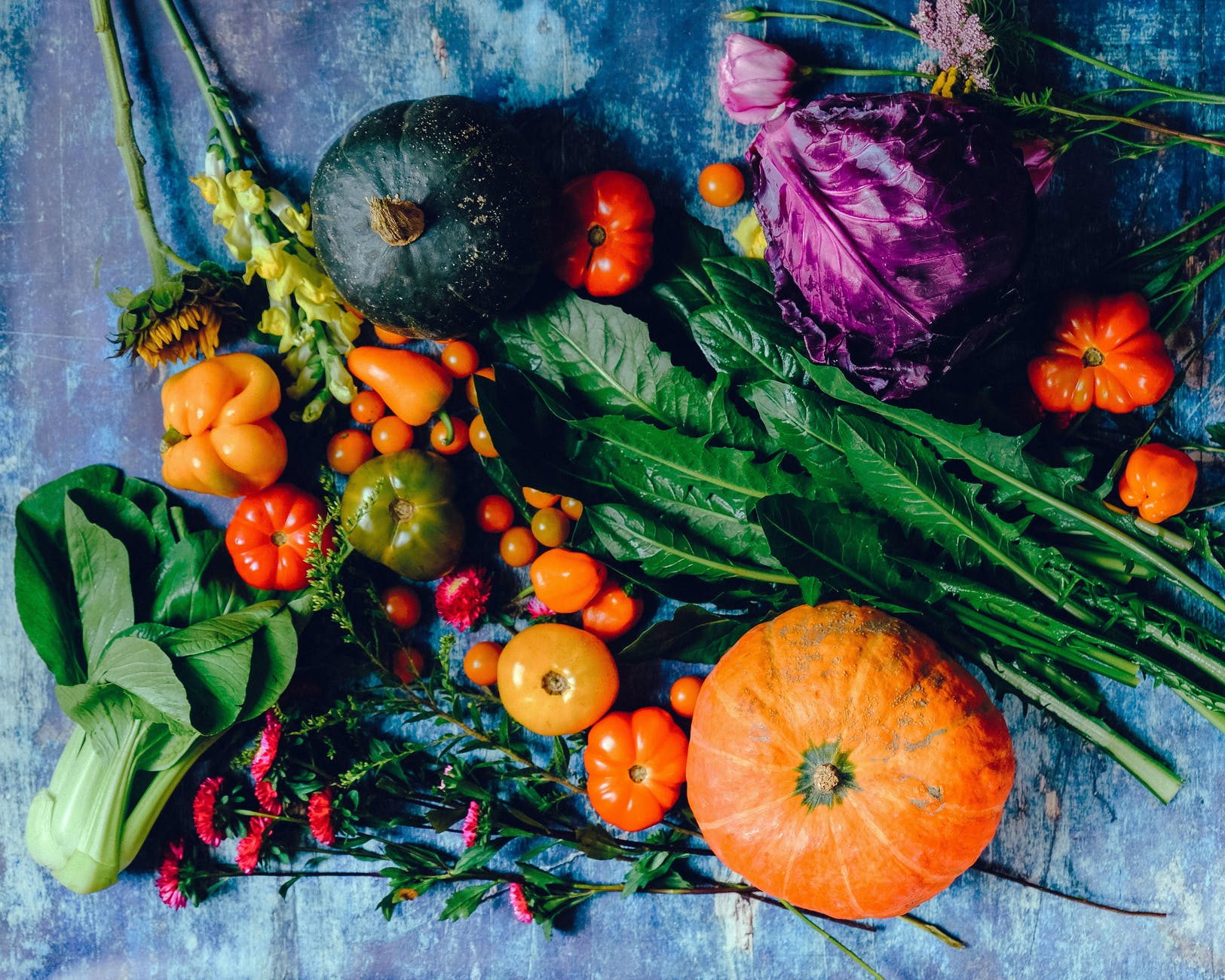
Autumn brings an abundance of bright seasonal vegetables that are rich in powerful plant antioxidants. A vast array of squash and pumpkin bring vibrant oranges and yellows to the plate and are not only delicious when gently roasted but contain nutrients like beta carotene and potassium. Pumpkin seeds are a rich source of the mineral zinc – known to be involved in hundreds of enzyme reactions in the body.
Vegetables in the brassica family are also in season and kale and kohlrabi are rich in a nutrient called glucorophanin which supports liver detoxification, hormone balance and offers protection for body cells. Kale is a good source of the carotenoids lutein and zeaxanthin which are highly concentrated in the retina in the eye. There is a wealth of research showing how a good intake of these carotenoids may have a positive impact upon eye health.
A more unusual seasonal vegetable is the Jerusalem artichoke; this root vegetable is rich in an indigestible fibre called inulin. Although the human body is unable to digest inulin it is an important food source for the trillions of bacteria in the gut, the microbiome. The good bacteria in the gut are known to play a role in many aspects of heath including blood sugar balance, neurotransmitter and mood patterns and immunity.
Prime your immune system
The colder weather usually brings an increase in circulating ‘bugs’. Viral transmission may be seen to increase in autumn and winter due to several factors, such as spending long periods indoors in close contact with other people, and central heating and closed windows may also play a role.
Keep good hand hygiene practices and wash hands frequently to help to prevent spread. Surfaces can be sanitised with natural antimicrobials such as diluted grapefruit seed extract and colloidal silver.
Ensure you eat a rainbow to provide the variety of nutrients that are needed to support a healthy immune system. Aim to eat more vegetables than fruit and include lots of rich and vibrant colours. An optimal level of fruit and vegetables each day is thought to be around 8-10 portions each day. Tart berries and cherries offer many anthocyanidins and broccoli, pepper and citrus fruits are rich in vitamin C.
Avoid any added sugar or sweet foods. Sugar is known to have a negative impact on immune health and temptations run high in autumn with Halloween treats and also over the festive season. If you want your immune system to be in tip top shape then it really is worth keeping an eye on sugar intake.
Choose whole foods that bring ALL the nutrients they naturally contain. White, refined and highly processed foods are often devoid of some crucial nutrients, so much so that many processed foods are fortified to replace what has been lost in manufacturing. Oats, beans, lentils, quinoa, buckwheat, brown rice and fruits and vegetables are good examples of whole foods.
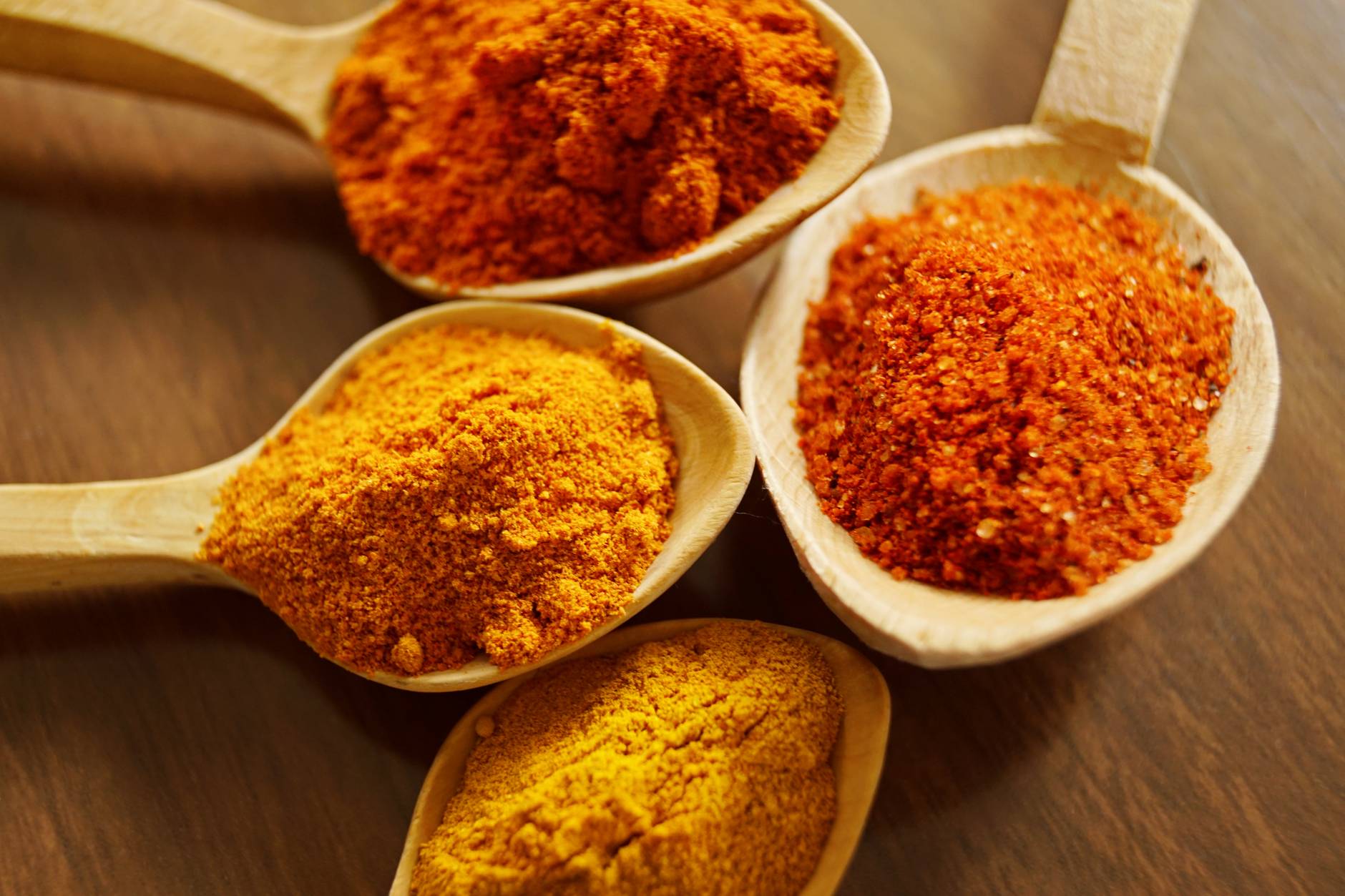
Eat warming and comforting foods – soups and stews full of seasonal vegetables are hearty and can be made in batches and frozen to ensure you always have something comforting to rely on. Ginger, turmeric and chilli are all warming spices that bring support for the immune system. They can be incorporated into breakfast, lunch, dinner or even hot drinks.
Supplement
The human body is extremely clever and has many ways of adapting to changes but from time to time additional support through nutritional and herbal supplements may be useful.
Immune supportive supplements that may be of use in autumn include vitamin C, vitamin D and probiotics. Beta glucans is found in the oyster mushroom and many studies have shown it may have immune supportive properties and be particularly useful in respiratory infections. Herbs such as astragulus, echinacea and pelargonium have been used traditionally for centuries as an immune aid.
Seasonal affective disorder may impact mood, motivation and energy levels and nutrients like vitamin D and omega 3 fatty acids may be useful at this time of year.
Adaptogenic herbs such as rhodiola and ashwagandha may offer support for additional seasonal stress and research indicates they may support good energy levels and mood patterns.
Seek daylight

Although it may be tempting to hide away indoors, getting out and about in natural daylight is vital at this time of year. Exposure to a good amount of daylight before noon helps to set the circadian clock – the natural time keeper in the body. A healthy circadian clock rhythm is now known to not only help with sleep patterns and mood, but to also influence other areas of the body including blood sugar balance, digestion and elimination and body cleansing. The impact of a misaligned body clock is becoming clear and many chronic health conditions are linked to circadian clock issues.
Exposing skin to sunlight also influences vitamin D production. During the darker months it is important to maintain some skin exposure to UV rays as well as supplementing with vitamin D.
A brisk walk amongst the russet leaves in the forest or in the crisp sea air can be invigorating and help to blow the cobwebs away.
Exercise
Regardless of the season, daily activity and frequent exercise ensure the body and mind are working efficiently. It can be hard to get out and about in the colder weather and motivation can wane. If you are a fair weather runner or cyclist then perhaps temporarily using a treadmill or indoor bike may help you to keep up your exercise routine.
Online exercise classes can be a great way to stay fit in your own home. There are now an abundance of options available for exercising without even leaving the house, and the intensity of the exercises can range from easy to strenuous, meaning they are a good option all levels of fitness.
Exercising outdoors does seem to have many benefits and on top of helping you to get your daylight exposure it can be invigorating. After a while exercising, the body warms up nicely and the exterior temperature may not feel as chilly.
Swimming is an activity that can be maintained despite the weather. If you are a pool swimmer then you may want to consider taking a dip in the sea or an outdoor pool. Research is showing that cold water swimming may have a positive effect on the brain and aid with mood patters or the development of dementia.
Sleep well

Seasonal disruptions, and the changing of the clocks at the end of October, may cause sleep disruptions. A lack of sleep, or poor quality sleep, has many repercussions for health, it not only increases fatigue and causes concentration issues it has negative effects on stress hormones, body cleansing and immunity.
Sleeping well is sometimes easier said than done. Getting the environment right can be a good place to start and avoid having the heating up too high in the bedroom. The optimum temperature for a good night’s sleep is around 18 degrees C. Ensure there is good ventilation and the room is not stuffy, and that covers are comfortable and not too warm.
Make sure you rise at the same time every day as this can be a key step to ensure your body clock is set correctly. It can be tempting to sleep in at the weekend, or set the snooze button on a dark morning, but research from Dr Satchidananda Panda at the Salk Institute shows that there are many benefits to health from simply getting up at the same time of day. So, even if it is dark outside and the alarm has gone off, make sure you hop out of bed in a timely fashion. If you find that your alarm is too jarring then a sunrise alarm clock, also called bodyclock or SAD lights, can be a more natural way to wake up. They simply use light to naturally entrain the brain to wake up – much like daylight exposure.
Prioritise self-care
The change in season may bring a change in emotions, old feelings may surface and you may find yourself feeling overwhelmed. Taking the time to look after yourself is vital. Engaging in activities that are nourishing can help you to feel on top of things and reduce stress hormones.
Find the right activity for you – each and every one of us is an individual and will respond to activities differently. Some people may find knitting or craft activities satisfying whilst others may find them too fiddly and a cause of stress!
Each day find something that you can indulge yourself in – even if it is only 15 minutes of yoga or deep breathing, 10 minutes reading before bed or a hot bath – make time for you.
If you do find yourself with lingering emotions or worries then seeking advice from a counsellor can help you to work through your thoughts.

If autumn makes you want to hibernate then tackle the seasonal change head on – take some positive steps to embrace the beauty of autumn and be in the best of health.
Kelly
Stay in touch – Join me on Facebook for more health updates
 Kelly Rose Nutrition Consultancy