
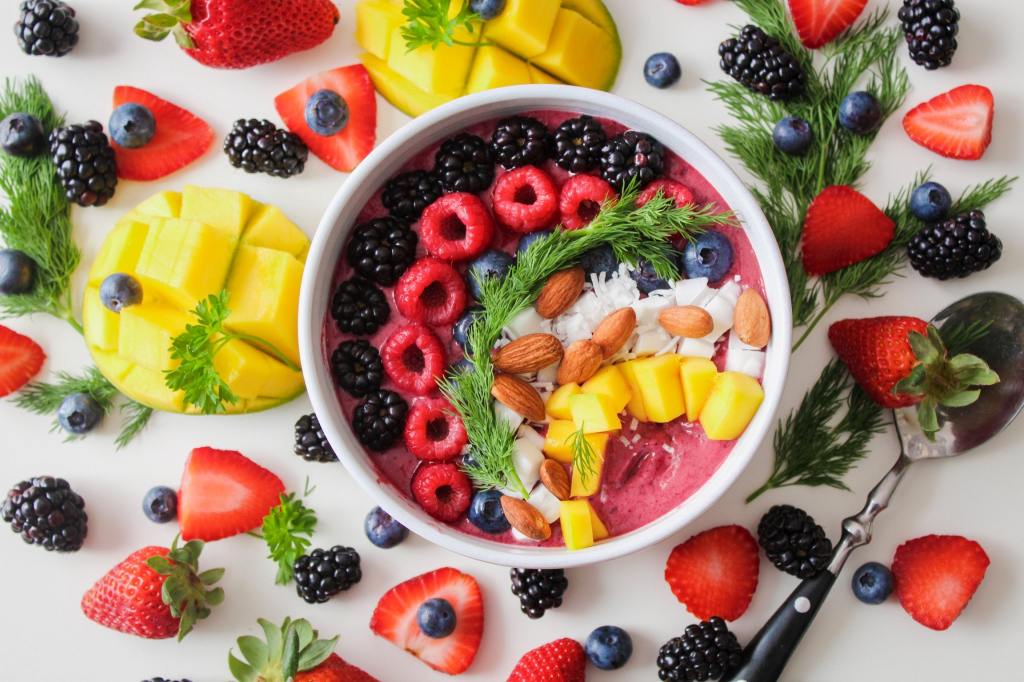
The immune system is one of the most complex and diverse systems within the body. It is on constant alert and protects us from invading organisms, toxins and damaging molecules. Over 70% of the immune system is actually within the gut and the food that you eat can significantly impact immune functioning.
Food contains vitamins, minerals, plant polyphenols and fibre that are used within the body to promote immunity through reducing inflammation, strengthening protective barriers, enhancing production of active immune cells, aiding other nutrients to work efficiently and ensuring some are regenerated.
So, which foods should you reach for to support immunity? Here are a few suggestions:
Broccoli and peppers
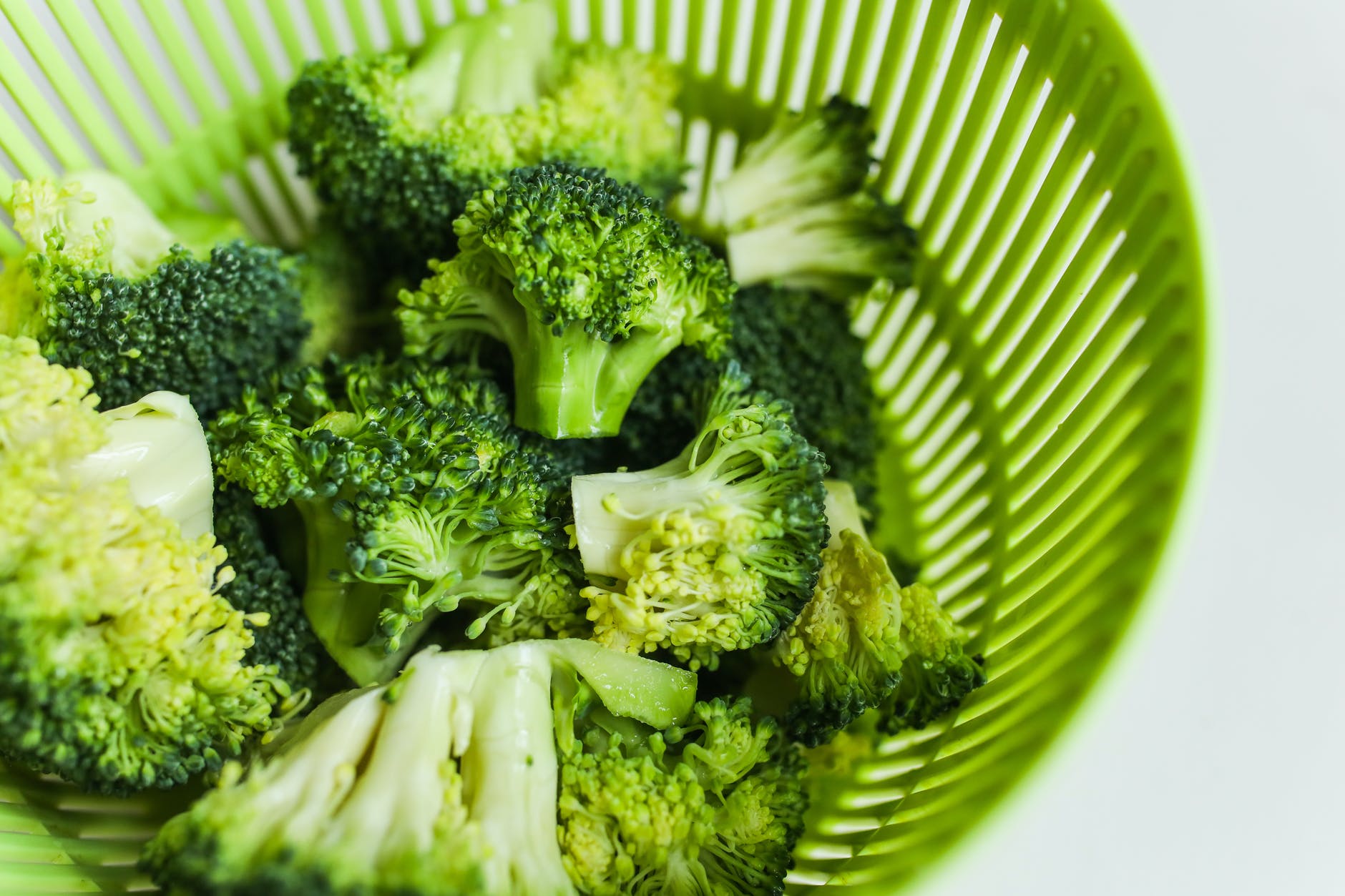
These are rich in several types of nutrients but are excellent sources of vitamin C. Peppers have an amazing 128 mg of vitamin C per 100 g and broccoli comes in at 89 mg per 100 g. It is worth noting that guavas are king when it comes to vitamin C content with a whopping 228 mg per 100 g – they aren’t so easy to find though.
The role of vitamin C in immune function has been known for a very long time. Vitamin C is an important antioxidant for the body and not only offers protection for cells but it also regenerates another vital antioxidant – vitamin E. Antioxidants are complex molecules that aid in regulating inflammation.
Research has shown that vitamin C positively supports several immune cells, such as natural killer cells and types of white blood cells and a good levels of vitamin C may aid in reducing cold and flu symptoms and speeding up recovery times.
The human body is unable to produce vitamin C (think back to history lessons and the incidence of scurvy in sailors with no access to fresh fruit and veg) and it is imperative to have a good daily intake. In times of need, such as when you succumb to the latest bug doing the rounds, supplementing with vitamin C may be useful.
Oily fish and egg yolks
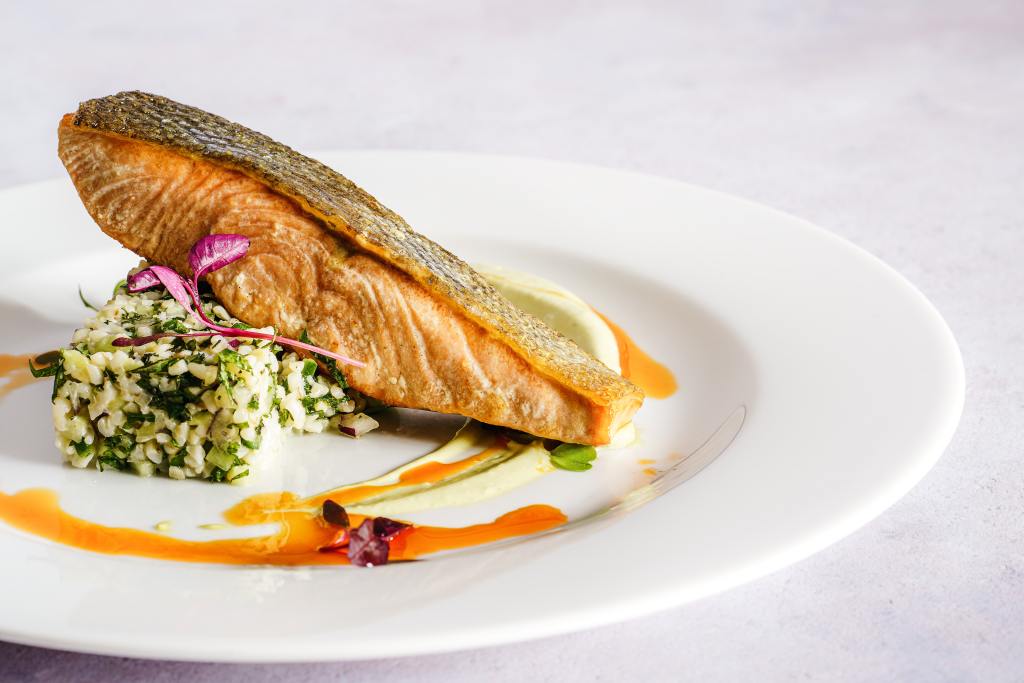
Although vitamin D content in foods is low, these two foods may help to contribute to your overall vitamin D levels. Around 100 g of salmon may contribute up to 80% of the recommended intake of vitamin D. Eating 2 portions of oily fish per week also increases intake of natural anti-inflammatory omega-3 fatty acids.
Without a doubt, the best source of vitamin D is sunshine. Around 15-20 minutes of sun exposure to the skin each day is suggested but in the darker months this may not be possible. For people who spend a lot of time indoors, or those with dark skin, it is wise to take a vitamin D supplement; it is also suggested to do this over the autumn and winter months.
Vitamin D is known to support bone health but its role in other areas of the body is becoming clear. There are vitamin D receptors found in numerous parts of the body including the immune system. Vitamin D is thought to have an immune modulatory effect, which helps to enhance natural defences against invading organisms and foreign substances.
Almonds and avocado
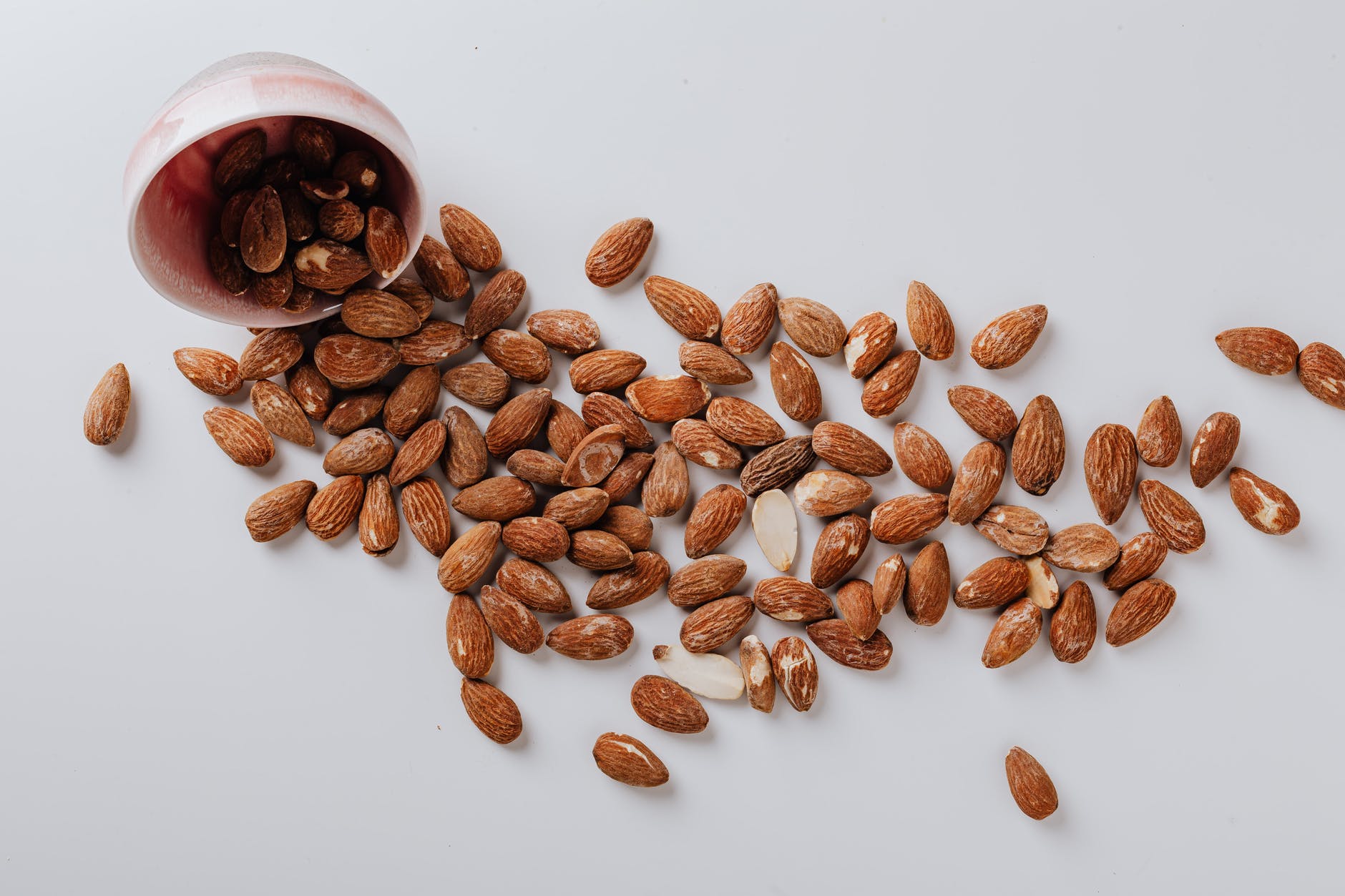
These are not only delicious and versatile; but are packed with vitamin E. A potent antioxidant, vitamin E has shown to have excellent anti-inflammatory properties and supports several areas of cellular immunity which are involved in recognising and dealing with changes associated with cancer.
Vitamin E also supports cells involved in dealing with infections and this powerful vitamin strengthens and supports resistance against viral and bacterial infections and may reduce the risk of contracting upper respiratory tract infections such as the common cold.
Almonds can be added to smoothies, yoghurts, and breakfasts or used to make a nut bar. Avocado has a particular texture and flavour that may not appeal to everyone but it can also be added to smoothies or used as a base for an indulgent cacao mousse!
Brazil nuts

The mighty Brazil nut packs around 100 mg of selenium per nut! This is a staggering amount and is enough to cover the RDA. Many will argue that the RDA for selenium is a little low as it is such a vital mineral for health.
Selenium is involved in many areas of health including thyroid health and it aids in the manufacture and function of a potent antioxidant, glutathione. There are many studies that have revealed immune cells are enhanced after increasing selenium intake and research shows that it is involved in supporting immune messengers called cytokines, these play a vital role in sending signals and directions to the immune system.
There are also several studies indicating that a lack of selenium may have a negative effect on immunity and increase susceptibility to infections.
Oysters

A bit like marmite, you either love them or hate them, oysters are a nutritional powerhouse! Just 6 oysters contain over 400% of the suggested RDA for zinc.
Zinc is involved in over 300 enzyme reactions in the body and so contributes to many aspects of health. A deficiency of zinc can impact your sense of taste and reduce your appetite and if you suffer with these you may want to take a look at your zinc levels.
Low levels of zinc may also impair immunity and lead to reduced immune cell responses and lowered levels of key immune cells and antibodies.
If you can’t stand the slimy salty taste and texture of oysters then you may want to take a look at other zinc rich foods like grass fed beef or pumpkin seeds.
Berries and cherries
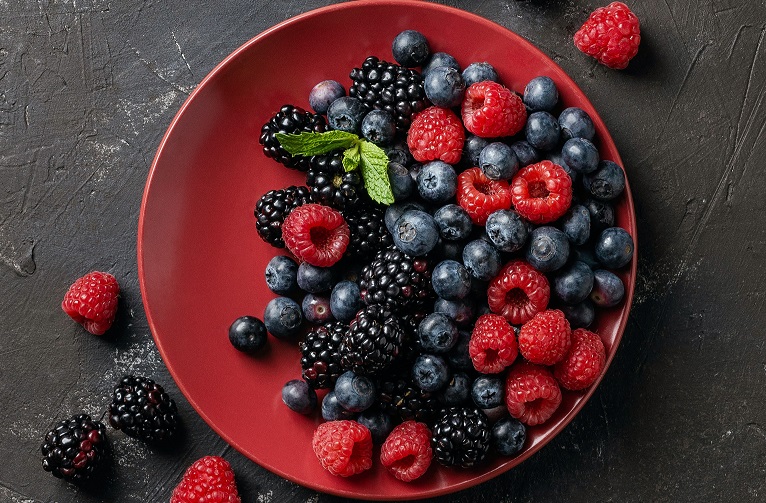
The gorgeous variety of berries and cherries available means there really is no excuse not to increase your intake! The beautiful vivid colours are responsible for providing some of the most powerful plant polyphenols, like anthocyanins. These not only offer a protective antioxidant effect but support natural barriers and regulate cytokines. Cytokines can be useful or harmful, depending on how many are produced, and keeping them regulated is vital. There are several studies showing how a regular intake of berries and anthocyanins can have a positive effect on immunity and help prevent catching respiratory tract infections, like the cold.
Choose from blueberries, raspberries, strawberries, fresh cranberries, cherries and blackberries. Blackcurrants and redcurrants are also rich sources of anthocyanins – in fact, anything that will stain your fingers when squashed is a good addition to your diet!
Oyster mushrooms
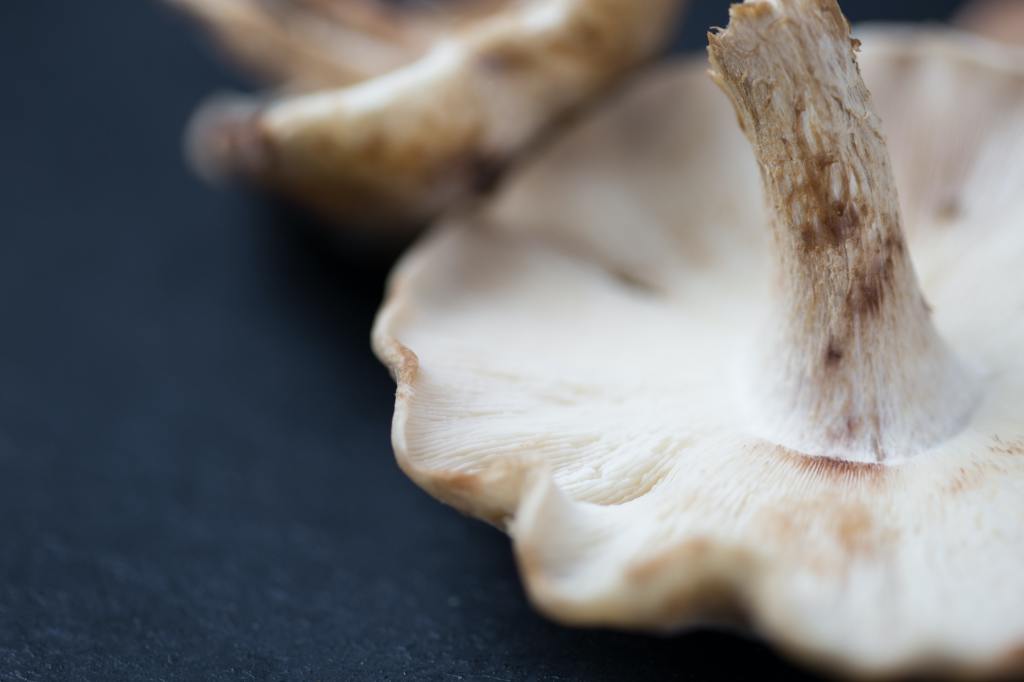
Mushrooms are favoured in the East and are revered in Traditional Chinese Medicine for their immune supportive properties. Oyster mushrooms are particularly rich in a compound called beta glucans 1,3/1,6 which is technically a long chain polysaccharide. It is thought to have powerful antioxidant properties and has an important role in helping to trigger an immune response.
Beta glucans can be called a biological response modifier (BRM) and helps to activate and normalise immune cells. This includes macrophages; these are types of immune cells that, once activated, can recognise and kill foreign invaders, such as bacteria or viruses. Macrophages have specific receptors on their outer surface that seem to be particularly sensitive to beta glucans. They can often be seen to ‘mop up’ after an infection and research shows that beta glucans may help in resistance to respiratory tract infections and aid in recovery.
Oyster mushrooms are delicious in stir fries, soups, and salads or gently roasted.
Jerusalem artichoke
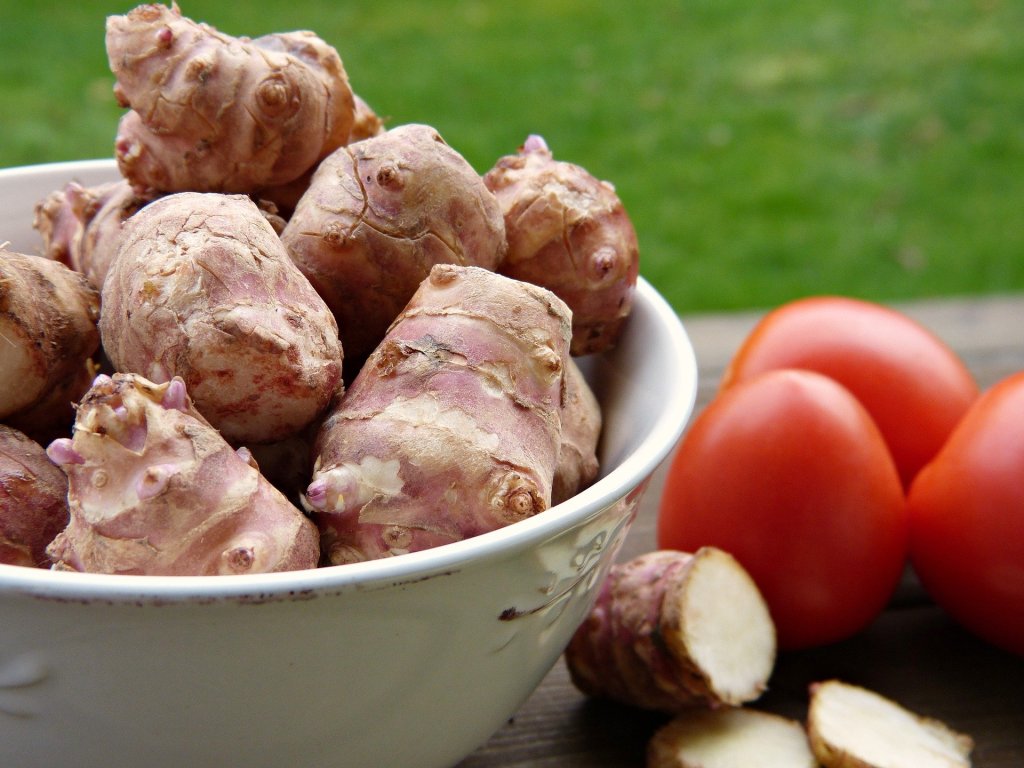
This odd looking vegetable is not technically an artichoke but is a species of sunflower. Often shunned because of their looks, or because of a lack of inspiration as to how to cook them, they are definitely one to add to your diet.
They are rich in indigestible fibres such as inulin. These fibres are known as prebiotics and are used as fuel by the all-important gut bacteria, the microbiome. Research into the functions of the trillions of organisms we carry in the gut is highlighting that they have a strong influence on immune functioning by communicating with the immune system to ensure it responds effectively.
Let’s not forget that a large proportion of the immune system resides in the gut. Looking after your friendly bacteria and gut health can be a huge step towards better immunity.
If you truly are unsure of what to do with Jerusalem artichokes then take a look at some tasty recipes.
Kefir
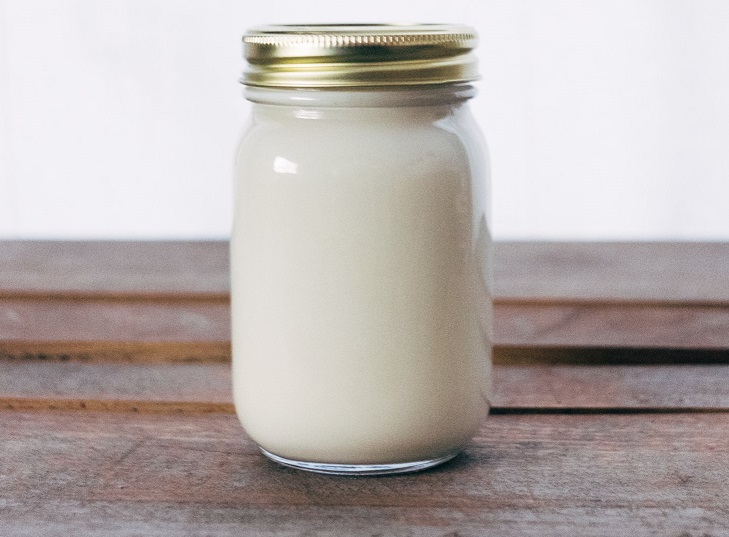
Kefir is a type of fermented milk and has a consistency of pouring yoghurt. With its probiotic content, it has a naturally tingly and slightly tangy taste. Probiotic strains in kefir may vary and they may support gut health in several ways such as to help populate the gut with beneficial bacteria or to support existing beneficial bacteria. Kefir may also help to maintain a healthy gut barrier – important when it comes to natural defences.
If you don’t mind the sour-ish taste, kefir can make a good drink or can be used in place of yoghurts or in smoothies. Non-dairy water or coconut kefir products are available and come in a variety of flavours including apple, grapefruit, blackcurrant and cacao. The bacteria in the non-dairy kefir do differ to that in the dairy kefir but still have beneficial effects.
With so many foods rich in immune supportive nutrients it can be easy to eat right to help you fight off infections!
I would love to hear about your favourite immune supportive foods, recipes and meals. Share your favourites below.
Kelly
Stay in touch – Join me on Facebook for more health updates
 Kelly Rose Nutrition Consultancy