

Christmas is traditionally a large and lavish affair. It is often seen as the one time of the year that healthy eating habits or diets are put on hold. It is estimated that around 5000-6000 calories can be eaten on Christmas day alone!
Although the annual festive feast has a bit of a reputation for being a lard-fest, some of the foods on the menu are surprisingly healthy. A few alterations may increase the nutritional value of this special meal and also reduce the total intake of calories without compromising flavour and enjoyment.
So, here are a few tips to make your celebrations a little healthier:
Begin as you mean to go on
I come from a family where Christmas day was used as an excuse to cram in as much sweet treats as possible! While opening presents we ate a breakfast of chocolate biscuits! Although this may sound delicious, it certainly isn’t nutritious!
Start your Christmas day with a good protein rich breakfast. This helps to stave off sweet cravings and keeps your blood sugar from doing a rollercoaster ride of highs and lows. Scrambled eggs, or scrambled tofu, on wholegrain toast are nutritious and filling. Fancy a treat? Why not add in some smoked salmon or make some buckwheat pancakes with fresh berries?
Out of sight out of mind
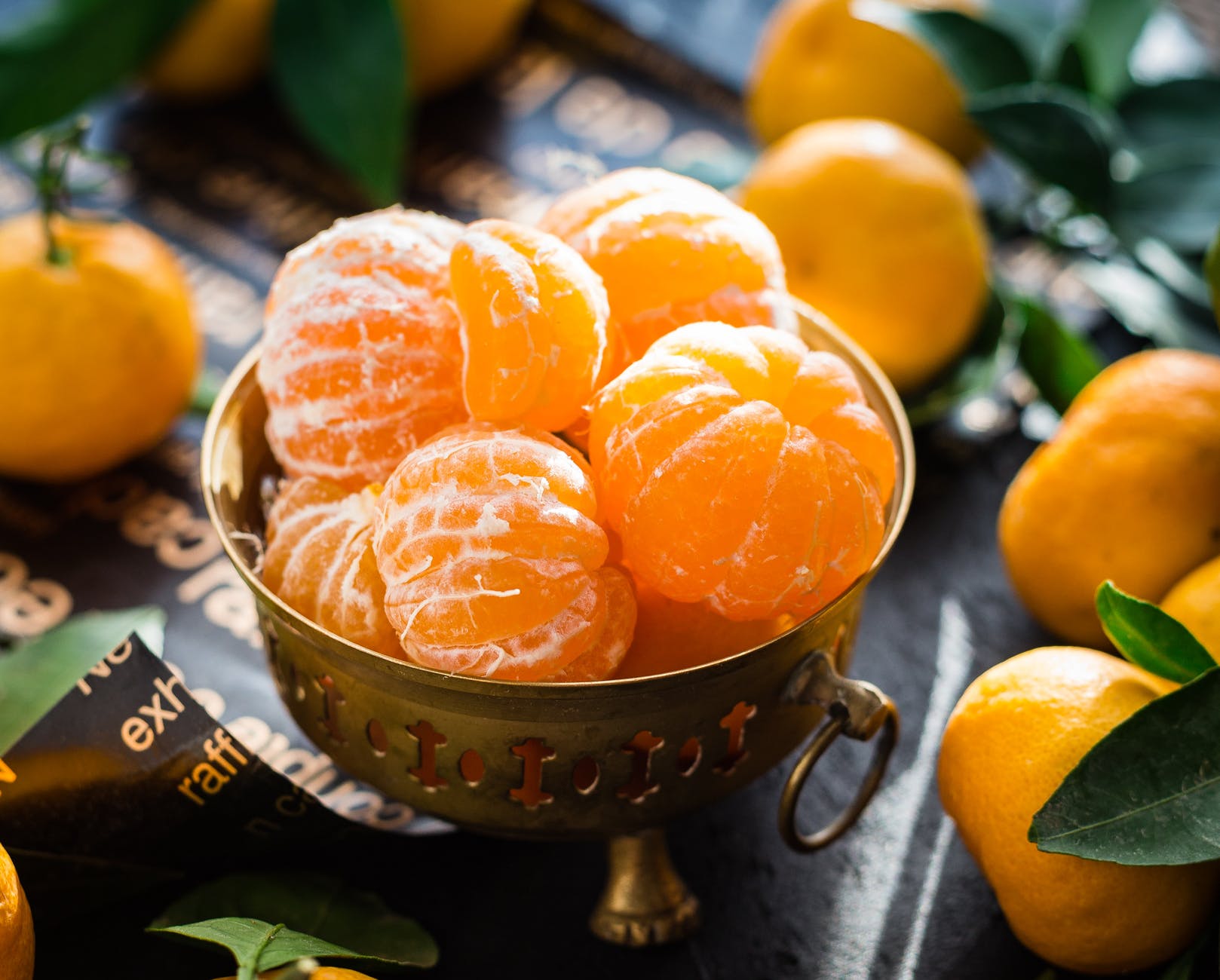
Yes, it is nice to indulge in rich food every now and then, it just doesn’t have to be all on one day. Keep your sweetie or biscuit tin hidden until later to avoid temptation and put on a spread of zingy citrus fruits like clementine’s or satsumas and bring out the nuts! Fresh cracked nuts have a delicious flavour and are great for providing fibre, minerals and protein. If you really fancy a little sweet treat, then have a couple of soft and squidgy dates.
Starter
If a three-course meal is planned, then a hearty winter vegetable soup as a starter is idea. This time of year, there are some spectacular vegetables in season. Soup can be a great way to showcase these and increase your antioxidant intake.
If you fancy a lighter starter then good old-fashioned melon and prosciutto ham can be refreshing. Watermelon with a little feta cheese is also a good combination.
The big bird
An oven roast turkey provides good lean meat, trimming off the skin reduces fat intake by up to 50%. You may want to avoid duck and goose on Christmas day as these traditional birds have a far higher saturated fat content.
A good nut roast can be a great vegetarian or vegan alternative and is rich in fibre as well as protein.
Accompaniments

Baked potatoes, or hasselback potatoes cooked with olive oil, can be a good replacement for roast potatoes. Try baking small potatoes instead of the usual large ones. If roast potatoes are being served, avoid cooking in animal fat and use an olive oil spray instead. Another way to reduce fat and calories is have a smaller helping of roast potatoes.
Seasonal vegetables such as Brussels, carrots, turnips, parsnips and broccoli are great accompaniments. Serve as many vegetables as you feel like (as long as they aren’t dripping with butter…). In fact the more the better – filling half your plate with vegetables increases fibre and antioxidants such as beta-carotene and sulphorophane. Antioxidants have a protective effect upon the body and fibre promotes good blood sugar balance and ensures you feel satisfied. Steaming vegetables preserves more vitamins, cook and serve them without salt. Try other flavourings like pepper or fresh herbs instead.
Bread sauce can be made with skimmed milk instead of whole milk to reduce fat content.
Avoid extra trimmings such as pigs in blankets and try roasting whole small red onions instead. These are rich in an antioxidant called quercitin and also contain pre-biotics that feed your healthy gut bacteria. A chestnut and mushroom stuffing can be another healthier accompaniment. I cheat a little and use my nut roast recipe to make stuffing balls the day before, they are delicious once roasted!
Avoid making gravy with the turkey juices and use vegetable juice from the steamer. This contains no fat and will be rich in nutrients that may have leached from the vegetables.
Dessert
Christmas pudding is naturally rich and instead of serving with rich brandy butter or cream try a small portion with natural yoghurt or custard made with semi-skimmed milk. This could reduce the fat content by almost 50%.
Alternatively, a fresh fruit salad with natural yoghurt or fruit sorbet can be a refreshing dessert. If you are partial to ice cream, then a healthier alternative can be yoghurt bark. This can be made in advance and you can sprinkle anything you like on it, why not try dried cranberries, chopped toasted hazelnuts and a squirt of raspberry puree?
You may choose to skip pudding and have a little quality dark chocolate with your post-dinner coffee instead. Dark chocolate is rich in magnesium and protective polyphenols.
Leftovers
After the main meal has been eaten try to clear the table of leftovers as soon as possible, this reduces the temptation of picking at them. If you don’t have enough left over to use the next day, then scrape the leftovers into the bin straight away or squirt a bit of washing up liquid on them! That will stop you nibbling at them! Put the spare food in the fridge for bubble and squeak, or in the freezer for storage, as soon as it is cooled to get it out of the way!
Be drink aware

There is often the tendency to have a high amount of alcohol at Christmas, this adds to the overall calories consumed. Instead of opening the wine at the beginning of the meal open a bottle of chilled water or sparkling water and open the wine at the second course. Red wine contains more antioxidants than white. White wines can be watered down with soda or sparkling water and alcoholic and non-alcoholic drinks can be alternated. Using a small 125 ml wine glass is more beneficial than the larger ones that can hold 300ml.
Beat the bloat
Overindulging and eating too much rich food can leave you feeling bloated and uncomfortable. The best way to avoid this feeling is to eat everything in moderation! Take a mindful approach to your meals and bring your focus onto what you are eating, how it tastes and how much you are enjoying it – being more mindful when you are eating can help you to recognise when you have eaten enough and to stop before you eat too much!
Chew your food thoroughly, this breaks the food down into smaller particles which makes it easier to digest. Sit up straight and eat at the table – Christmas day is a great time for a family meal and eating around a table in a more social environment can also help you to recognise how much you have eaten. It is common when eating alone or eating whilst watching TV / scrolling through your phone, to not realise how much you have eaten.
If you already have digestive issues, you may find avoiding the foods that aggravate your issue is the best step. A good digestive enzyme supplement with your meal can also help to ensure food is broken down properly.
Take some time after your meal to relax, this puts you into your ‘rest and digest’ mode – avoid any vigorous activity or games that involve lots of jumping around! Give your body time to digest the delicious meal you have just enjoyed.
So, armed with a few hints and tips for the big day, you should be ready to have a happy and healthy Christmas!
Kelly
Stay in touch – Join me on Facebook for more health updates
 Kelly Rose Nutrition Consultancy