
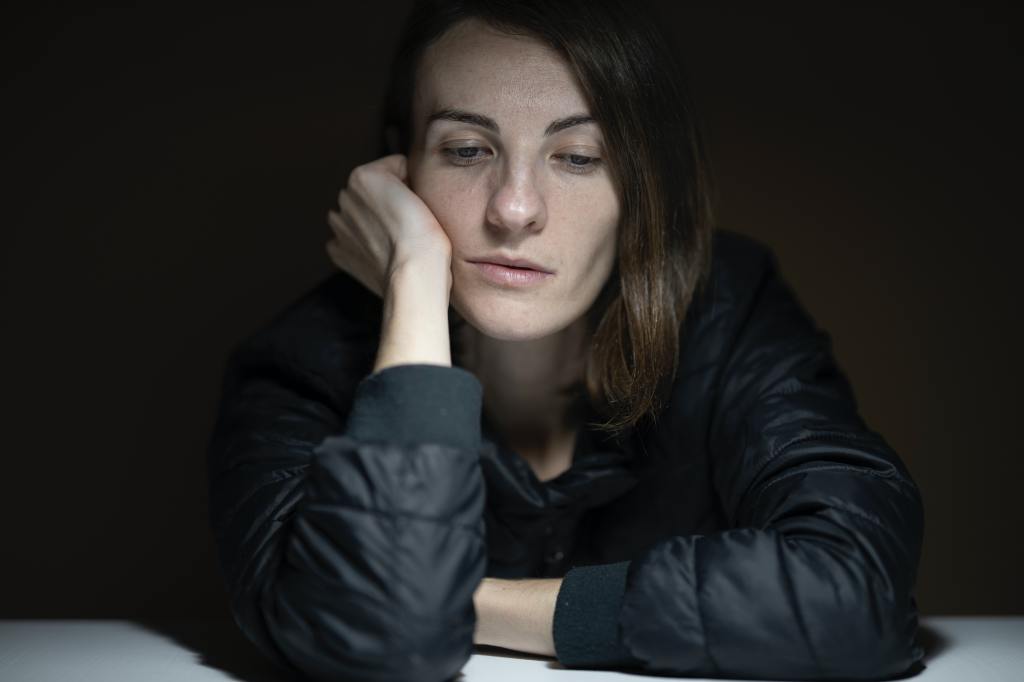
How does winter make you feel? Are you in the ‘oh, I love all the cosy jumpers and early evenings reading a good book next to the fire’ group or the ‘I can’t stand the short, dark, cold dreary days’ group?
For those who don’t find the winter months so enchanting, there may be more going on. The darker days can trigger a whole host of emotional and physical issues and it is thought that Seasonal Affective Disorder (SAD) may affect up to a third of people in the UK.
Also known as winter depression or the winter blues, SAD may begin in September and continue through to March or April. This is a significantly long period of time to be feeling low.
Symptoms of SAD
SAD symptoms vary from the severe to the mild. Some or all of the following symptoms may be present:
Depression – Persistent low mood, worse than and different from normal sadness, negative thoughts and feelings, guilt, loss of self-esteem, hopelessness, tearfulness, apathy, emptiness, loss of feelings, irritability, anxiety, inability to tolerate stress.
Sleep disturbances – The need to sleep more, a tendency to oversleep, difficulty staying awake during the day or frequent night wakening’s.
Lethargy – Fatigue, often incapacitating, making it very difficult or impossible to follow our normal routines.
Increased appetite – Craving for carbohydrates and sweet foods leading to an increase in weight.
Cognitive function – Difficulty with concentration and memory.
Loss of libido – Less interest in sex and physical contact.
Causes of SAD
Researchers over the years have shown that light levels are key to the development of SAD. They have also discovered that some people are more sensitive to the drop in light levels than others, hence why some people manage fine through winter. I suspect many of these people fall into the ‘oh, I love winter’ group.
The human body is governed by a light sensitive internal clock, the master clock, that signals the production of a variety of hormones and neurotransmitters at different times that help to regulate body functions. Some of these key molecules include melatonin, serotonin and dopamine. These have strong influences on sleep patterns, mood and motivation. The drop in light through the winter months can result in less stimulation of the master clock and therefore a reduction in key molecules.
Self-care for SAD
Taking care of yourself through winter can help to rebalance the body and mind and help you to cope through the darker months and ensure you feel more positive.
Here are my top self-care tips:
Rise and shine
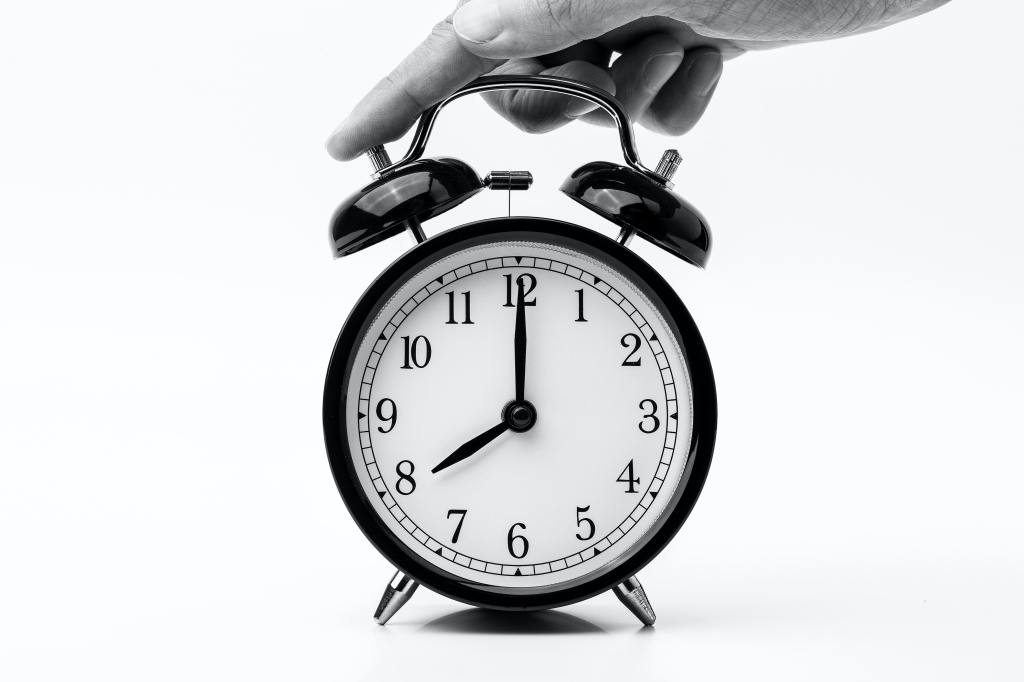
You may feel like staying in bed and hibernating, but you need to do the opposite. Aim to wake at the same time each day and get out of bed within 30 minutes of waking. This helps to set the circadian rhythm, your internal body clock. The circadian rhythm is not only essential for creating healthy sleep patterns abut other processes and functions within the body take their lead from it. A misaligned body clock has been found to increase the risk of inflammation, heart disease, obesity, diabetes, cancer, and substance misuse.
Try hard to avoid ‘having a lie in’ at weekends, staying up late one night and trying to make up for it another day creates what is called social jet lag. Research shows you will never catch up on the lost sleep and will only add further disruption to the circadian rhythm.
It can be hard trying to rise at the same time every day when you are feeling exhausted, lethargic and unmotivated during the winter months, but with perseverance you will feel the benefits.
Now here is for the shine part – get out and about in natural daylight each and every morning and, if possible, spend some time in the sunshine. Exposure to daylight is not only vital for vitamin D production but sets off a cascade of events that lead to healthy melatonin secretion at night. Melatonin is known as the sleep hormone. The better trained your circadian rhythm and melatonin secretion is, the better you will sleep. This may significantly help with the fatigue and lethargy that comes with SAD.
During the colder, darker days it isn’t always easy to get out and get enough daylight. This is where SAD lamps come in. These are specifically designed, when used at the right time, to simulate natural daylight and can also contribute to setting your internal body clock. Research has shown some distinct benefits to the symptoms of SAD folowing bright light therapy.
Cool it
First of all, let’s talk about sleep. Sleep disruption in SAD and depression can be significant and it can be frustrating when you are unable to sleep but spend most of the day feeling tired. Getting a good night’s sleep can be dependant on many factors and one of these is environmental temperature. If the bedroom is too warm or stuffy it can lead to sleep disruptions. The optimal temperature for a good night’s rest is around 180 C. turn the dial down on your radiator or turn the heating off completely at bedtime. Avoid a thick, heavy duvet or blanket and wear thin bed clothes.
During the colder months you may be reliant upon central heating and when you are feeling low it can be tempting to turn up the heating and shut yourself away from the cold. You may think that having a lovely warm and welcoming environment may make you feel better. Actually, research is showing that cold therapy can stimulate many pathways that may alleviate symptoms like depression.
The human body is designed to adapt, this means that changes are needed in order for the body to develop resilience or strength. Keeping your environment at the same temperature day in day out does not support the natural adaptation pathways.
In fact, stimulation with cold baths or cold showers is known to support adaptation pathways and has been found to help the stress response, lead to lower stress hormones, support better blood flow and balance the mood neurotransmitter serotonin, therefore helping mood.
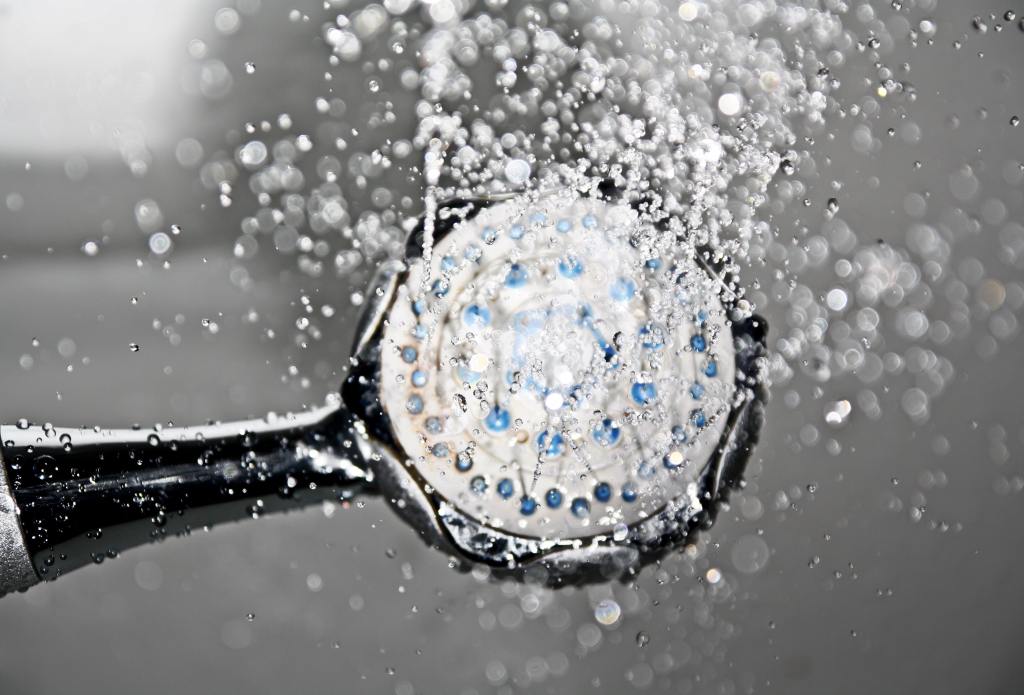
A cold shower for 2-3 minutes once or twice a day should help you to feel more invigorated and energised.
Move it
Keeping active throughout the winter months is vital. It helps to support blood flow, bringing oxygen and nutrients to the brain and helps to warm the extremities. It also stimulates motivating and mood enhancing hormones.
You may not always have the motivation to get up and get active, but regular exercise, at least 3-4 times a week, can make the world of difference. You will find the more you do it, the more you will want to do it and the better you will feel.
Try to do a blend of cardiovascular and resistance exercise and if you are really struggling with motivation go for HIIT – it is short and may be more manageable. Get your friends involved or set a challenge or goal that you want to work towards. I am always in awe of London marathon participants – they train throughout some of the worst months of the year to reach their goal of participating in the marathon, which is usually scheduled at the beginning of spring.
Be active in any way you can. Go for walk to start with then increase to a short jog, pretty soon you will be tempted to speed up and run. Play silly dancing games with family members, skip, do a YouTube workout or purchase a good DVD workout so you can exercise at home. Make no excuse, set a schedule and form a new habit.
Drop it

Make a conscious effort to drop your digital devices for a while. Stay away from social media sites, blogs and avoid endless hours browsing the internet. Not only is this kind of activity sedentary, it can also make you feel worse about yourself. Reading about the latest adventures of a celebrity, or how good their life may be, or delving into finding people who feel the same way you do isn’t productive and is only going to drag you down. Statistics show we can spend a staggering amount of time ‘browsing’ on smartphones and tablets. This isn’t time well spent and often isn’t nourishing for the brain!
There is also evidence to show that blue light from digital devices used late into the evening disrupts melatonin secretion and disrupts sleep patterns.
Create

Spend your time wisely and instead of wasting time on your phone or tablet, fill it with more physical activity or creative hobbies. The act of being creative whether it be through painting, drawing, sculpting, knitting, scrapbooking or even decorating can enhance feel good chemicals and improve mood, self-esteem, motivation, anxiety and enthusiasm.
Art therapy is now a recognised tool for a variety of issues and even if you aren’t a natural artist, it is the process of creating that is beneficial. You don’t always need to make something, keeping a diary, writing a poem or book, or having a gratitude journal all give the same benefits.
Find something that works for you, there may be some trial and error along the way and some creations may incite a giggle or two but when you look back you will find the process fulfilling.
Eat right
It can be tempting to stuff your face with all the calorie laden carbs you are craving but eating the right foods can help to restore balance and nourish the body.
Protein
As there can be distinct imbalances in the mood and sleep neurotransmitters serotonin and melatonin it makes sense to supply the body with their precursor – tryptophan. This amino acid is found in poultry, cottage cheese, tofu and bananas
Another important neurotransmitter for motivation is dopamine, this is derived from another amino acid, called tyrosine, which can be found in beef, pork, poultry, tofu and cottage cheese.
Protein rich foods also help to keep you fuller for longer and can help in the fight against cravings. Start the day with a protein rich smoothie or tuck into some scrambled eggs or scrambled tofu.
Oily fish

They may not appeal to everyone but oily fish such as salmon, pilchards, mackerel, herring, trout and sardines are not only a good source of protein but are all rich in omega 3 fatty acids.
Omega 3 fatty acids have a large role to play in mental health and both EPA and DHA, types of omega 3, are incorporated into brain tissue. Clinical research has shown that people with low mood respond well to omega 3.
Omega 3 fatty acids are also precursors to anti-inflammatory molecules and a good intake can help to curb inflammation.
Eating around 2-3 portions of oily fish per week is ideal, although a high quality fish oil supplement may be a good choice over the winter, or if you do not eat fish.
For those wishing to avoid omega 3 from fish, there are algae based supplements which are suitable for vegans, although are much lower in omega 3 strength.
Vitamin D
The sunshine vitamin can be low over the winter months and people who are more susceptible to SAD or depression may have even lower levels.
Skin exposure to sunlight is obviously the best source but may not always be an option in December, January and February!
Some foods may contribute to intake, oily fish, egg yolk, some mushrooms and fortified foods may offer a little vitamin D.
It is recommended to take a vitamin D supplements of 10 micrograms /400 IUs per day from October to March.
There is some evidence to show that a higher amount of vitamin D may bring further benefits and it is always best to test your vitamin D levels before increasing doses. Your levels can be tested through a GP or by doing a home test.
Wholegrains
Choose your carbohydrates wisely. Always go for the wholegrain option, they are higher in fibre, keep you fuller for longer and bring far more nutrients that processed white alternatives. Make sure that you rotate the types of wholegrains as this further increases nutrient variety.
If you do feel the need for a white, refined carbohydrate then make sure you have good protein with it – this slows digestion and gives a abetter, more even release of energy.
Curb cravings and nourish

Winter is a time to ditch the salads and eat your veggies in a different way. Choosing healthy and hearty veggie rich meals can help you to beat cravings. Wholesome soups and stews are warming, and a hot bowl of ramen soup provides much nourishment. Veggie and tofu chilli and chickpea curry are also hearty and flavoursome. Experiment with new recipes, be creative.
A little of what you fancy does you good. Abstaining completely from your favourite foods can make you crave them more. Allow yourself to include a small amount of your favourite treats. Dark chocolate is an excellent choice as it helps to stimulate a feel good hormone called PEA. If you are not so keen on the bitterness of dark chocolate, then allow yourself a set portion size of your chosen treat. If you struggle with will power, then don’t keep it in easy reach and only buy small quantities.
The winter can feel long and dark and you may be longing for the arrival of spring, but if you take some positive steps to combat the effects of SAD you will find that winter becomes more enjoyable and your energy, enthusiasm and motivation may all rise.
Kelly
Stay in touch – Join me on Facebook for more health updates
 Kelly Rose Nutrition Consultancy