
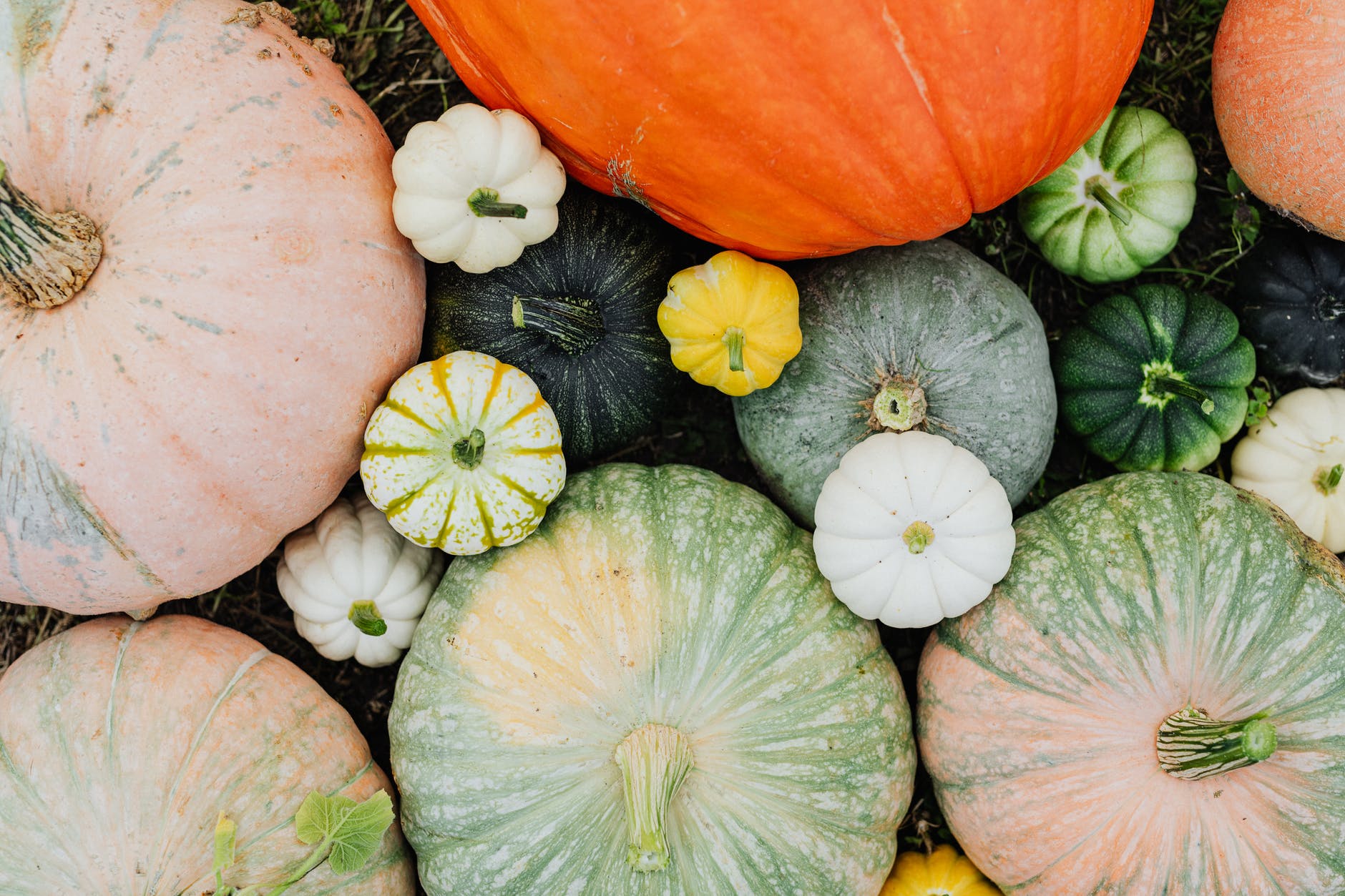
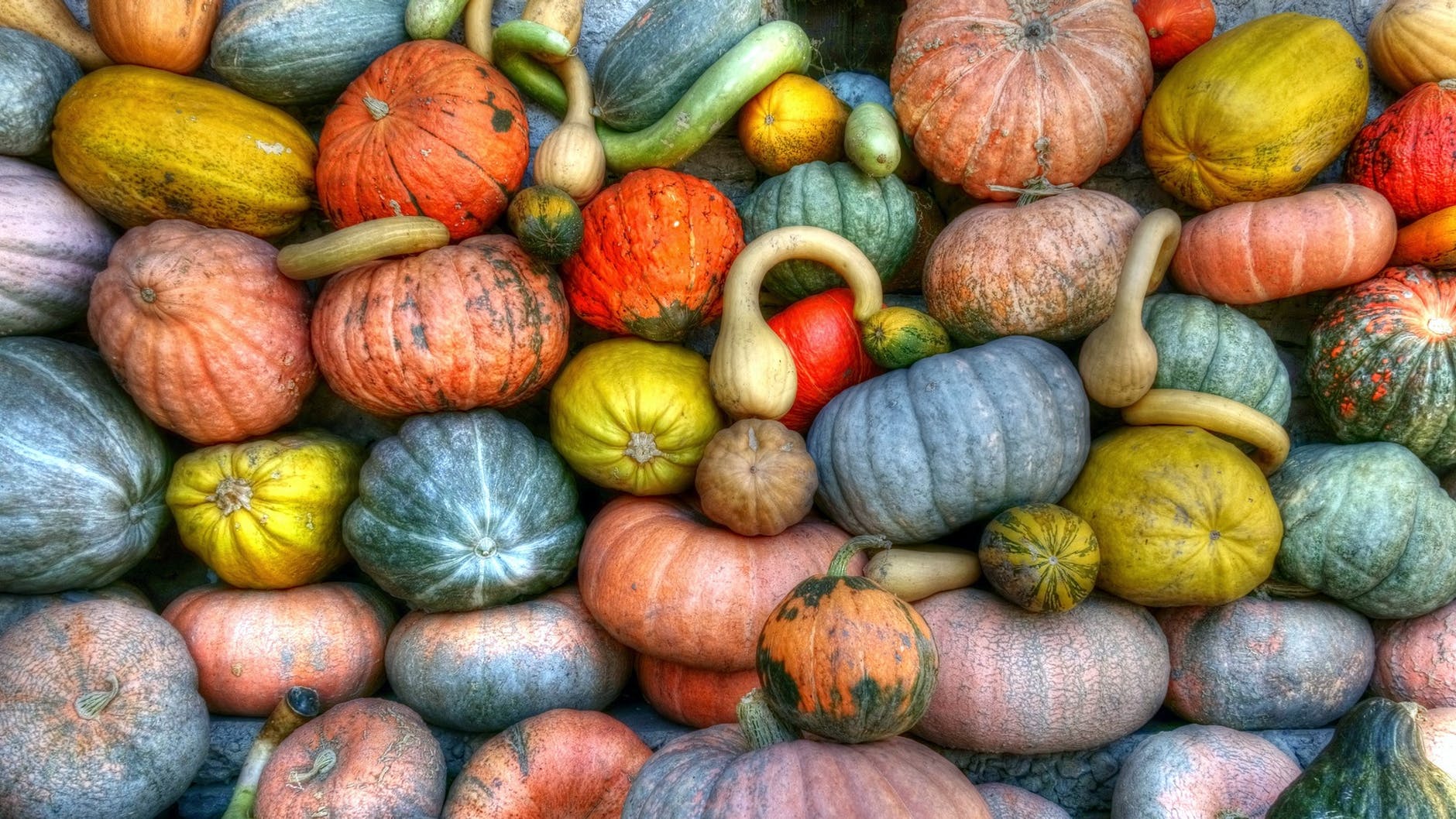
It’s that time of the year when plants are turning vibrant oranges and reds and there is an abundance of autumnal squash. There are over 20 varieties of autumn and winter squash and they come in all sorts of shapes and sizes – from the smooth skinned bright orange pumpkin to the rather alien looking lumpy hubbard or heirloom squash.
With so many varieties to choose from there is no excuse not to include them in your diet. Due to importation and increased availability of fruit and vegetables all year round, eating with the seasons may have fallen out of favour over the last few decades, but eating with the seasons brings many nutritional and environmental benefits. It helps to reduce carbon footprints and improves flavour and nutrient content as fruit and vegetables aren’t picked early for shipping.
Nutrients
Squash are often classed as a vegetable but are technically a fruit; they are rich in diverse nutrients that support the immune system, particularly useful during autumn and winter. The pale yellow or bright orange flesh of squash contains a variety of carotenoids such as beta-carotene, a potent antioxidant that can be converted in the body to vitamin A. Like all nutrients, beta-carotene and vitamin A contribute to many aspects of health and not only play a role in immune health but also reproduction and skin and eye health. Other carotenoids found in squash include zeaxanthin, cryptoxanthin, auroxanthin and beta-cryptoxanthin.
Squash are also a source of calcium, magnesium and potassium which all play a role in blood pressure regulation. A good dietary intake of these minerals is known to support healthy blood pressure and to reduce the risk of stroke.
Research has also shown that eating squash may have a favourable impact on blood sugar control, important for those with type 2 diabetes or other blood sugar irregularities. This is due to the fact that they contain a good level of fibre which helps to slow digestion and the release of energy from food. The skin of a squash is entirely edible and is delicious when slow roasted with herbs and garlic, eating the skin further increases fibre intake.
Fibre is also used as a fuel by the important gut bacteria, the microbiome, and helps them to thrive and populate the gut. The microbiome has now been shown to support many aspects of health including digestion, immunity and mental health – which all benefit from extra support through autumn and winter.
So, with so many reasons why to feast on squash this autumn – where do you start? You could simply halve or quarter, scoop out the seeds and slow roast for 30-45 minutes or you could creatively incorporate into soups, stews, curries or other dishes.
Here are a few of my favourite squash recipes to get you started.
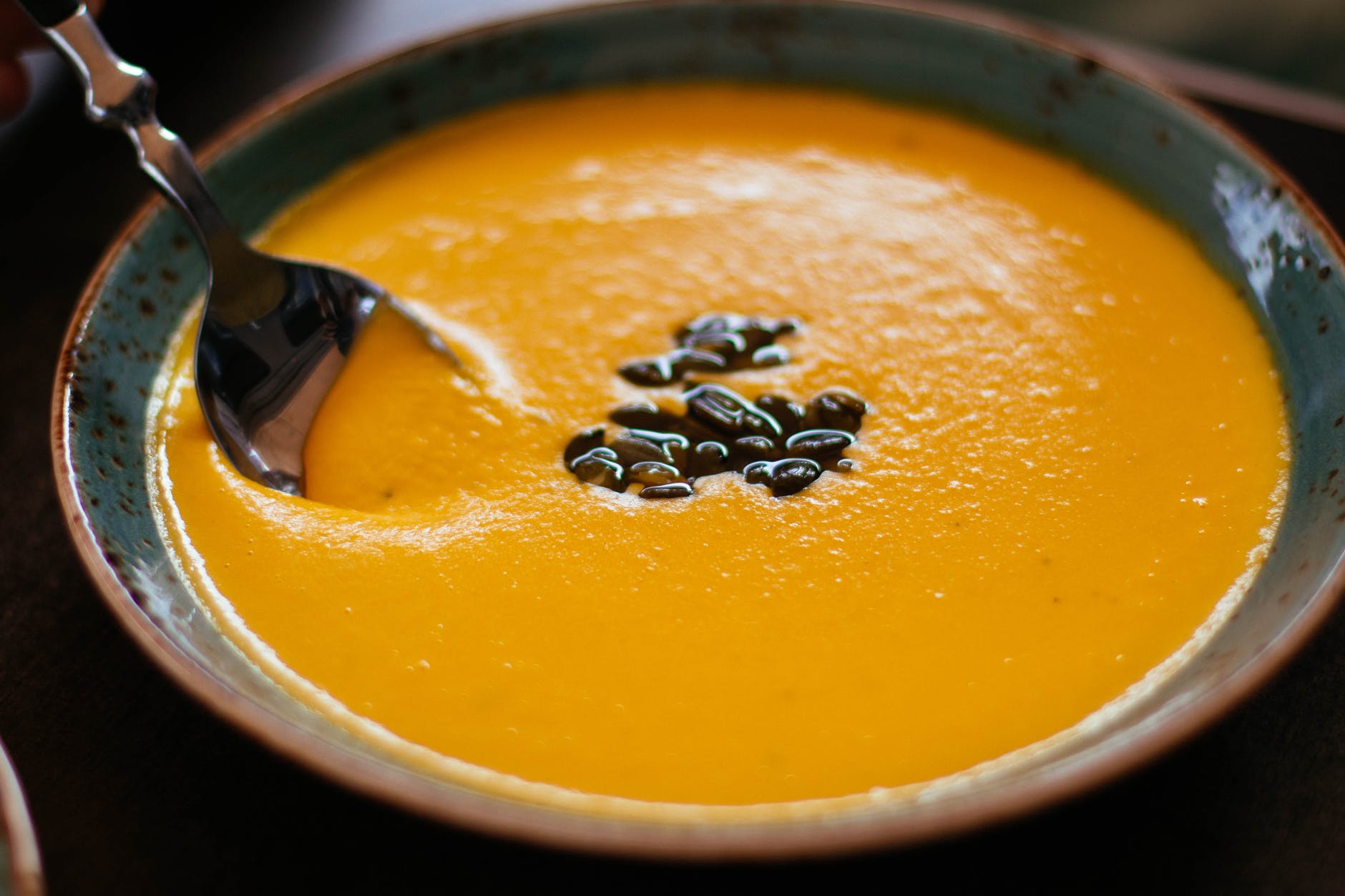
BUTTERNUT SQUASH AND GINGER SOUP
Serves 6
Ingredients:
1 onion, chopped
1 leek, sliced
1 large clove garlic, crushed
1 tbsp olive oil
2.5 cm piece of fresh ginger, peeled and grated
1 large butternut squash, peeled, deseeded and cut into chunks
2 medium potatoes, diced
2 rounded tsp vegetable bouillon powder or vegetable stock cube
1 pint/ 550 ml water
Toasted pumpkin seeds to top
Salt and ground black pepper to taste
Instructions:
1. Using a suitable soup pot, sweat the onion and leek in the oil until soft.
2. Add the ginger and garlic and cook for another minute.
3. Place all the remaining ingredients into the pot with the water.
4. Cover and simmer for 30 minutes.
5. Once softened and cooked, use a hand blender to blend until smooth. If you prefer your soup a bit chunky then blend only half the mixture and ‘squash’ the other half with a mash and then combine the two.
6. Season to taste and serve topped with toasted pumpkin seeds.
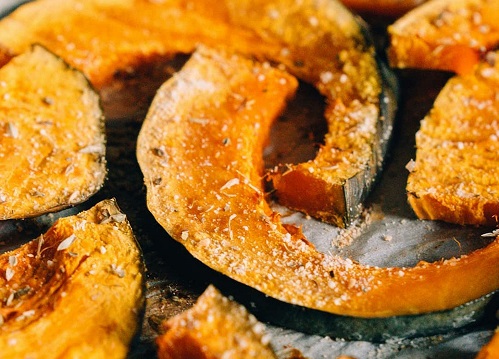
SPICY SQUASH AND LENTILS
Serves 4
Ingredients:
1 medium squash, about 950g cut into 1 cm thick slices
1 red onion, halved and chunkily sliced
1 red, 1 yellow and 1 orange pepper, deseeded and cut into 1 cm wide strips
2 garlic cloves, finely chopped
3 tbsp coconut oil
3 tbsp curry paste
2 400g cans puy lentils, drained and rinsed
150 ml hot vegetable stock
Large handful coriander, chopped
Instructions:
1. Pre-heat the oven to 2000C/1800C fan/ gas mark 6.
2. Using a sharp knife, cut the squash in half lengthways and scoop out the seeds. Cut into 1 cm thick slices widthways across the squash.
3. Place the squash slices in a large roasting tin with the onion, peppers and garlic.
4. Warm the coconut oil slightly until it is liquid and mix with the curry paste. Drizzle over the vegetables and mix well to coat them.
5. Roast for 30 minutes until the vegetables are beginning to soften then add the lentils and stock to the roasting tin and mix. Return to the oven for a further 5-10 minutes until the vegetables are tender.
6. Take out of the oven and stir in the coriander and serve with live natural yoghurt and naan bread.
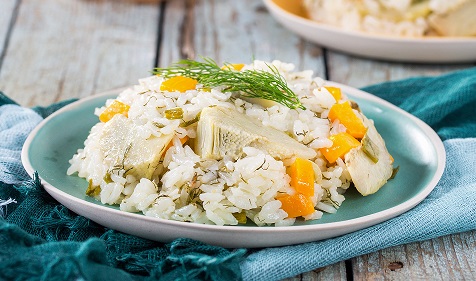
BUTTERNUT SQUASH RISOTTO
Serves 4
Ingredients:
1 tbsp olive oil
1 onion, chopped
300g brown rice
450g butternut squash, diced
850ml vegetable stock
2 tbsp torn fresh basil
Salt and black pepper to season
Instructions:
1. Sauté onion and garlic in oil for a few minutes.
2. Add the rice and stir for 5 minutes.
3. Add the butternut squash to the pan; slowly add small amounts of the hot stock to the rice mixture until reduces down. Stir occasionally and continue until the rice is cooked.
4. Stir in the basil and serve either by itself, or with sliced tofu or baked cod.
NUT ROAST
Serves 4
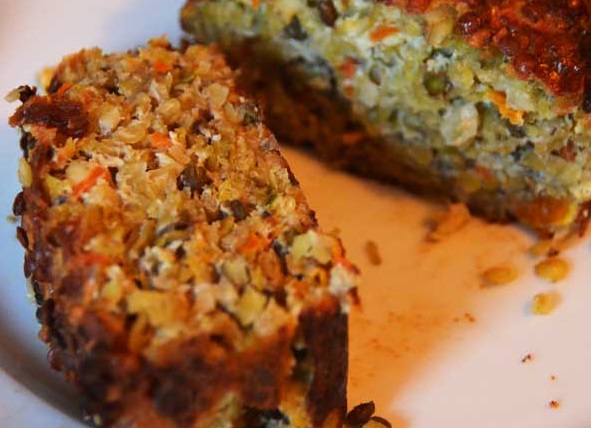
Ingredients:
2 tbsp olive oil
1 onion, chopped
250g chestnut mushrooms, finely chopped
800g squash, diced into 2 cm chunks
180g pack of cooked chestnuts, roughly chopped
2 cloves garlic, finely chopped
Handful of fresh sage leaves, finely chopped
250g chopped mixed nuts, toasted
50g homemade breadcrumbs or gluten-free breadcrumbs
Salt and black pepper to season
Instructions:
1. Pre-heat the oven to gas mark 4 / 1800C fan/ 1600C.
2. Steam the squash until tender.
3. Heat the oil in a pan and sauté onions until soft, then add in garlic and cook for 2 minutes
4. Add the chopped mushrooms to the pan and cook for a few minutes.
5. Place sage and chestnuts in the pan, mix well and cook for 2-3 minutes. Remove from the heat.
6. Mash the steamed squash and add to mix with nuts and breadcrumbs – mix well. Season to taste.
7. Place the mix into a non-stick loaf tin and cook in the oven for 30 minutes.
8. Serve with hot buttery and peppered kale and broccoli.
Armed with these delicious recipes you can experiment with the vast array of squash available and rest assured that your health is being supported.
Let me know your thoughts on these recipes, or share your own for us all to enjoy!
Kelly
Stay in touch – Join me on Facebook for more health updates
 Kelly Rose Nutrition Consultancy
Lovely ideas!
LikeLike