

Autumn and winter bring not only the cooler, darker days but also dry, damaged skin and hair. Taut, chapped skin and frizzy hair don’t have to be a feature of seasonal change and before you step out to grab the latest super moisturising balm or lotion from the shops – STOP!
Save your pennies – it can be surprisingly easy to restore luscious locks and revitalise skin using ingredients from your kitchen.
Foods that are naturally rich in healthy fats help to soften and moisturise and ingredients such as coconut oil, avocado and pumpkin seed butter can work wonders. They are rich in natural emollients that help to smooth the skin by filling spaces in between skin cells and have humectants that lock in moisture.
Skin care
Coconut oil moisturiser
The skin is a natural barrier that consists of many layers. These layers are fat-enriched and when the layers become damaged it may lead to dry or itchy skin. Coconut oil is 100% fat and can easily penetrate the all-important skin layers and help to re-nourish. Coconut oil is naturally solid at lower temperatures but once it is warmed up a little it becomes liquid, making it easier to apply. To ensure maximum benefit it is best applied after a warm bath, and depending on how dry the skin is it may take a while to soak in.
Coffee and coconut oil exfoliant
This couldn’t be simpler – no need for fancy exfoliating creams and lotions! Mix 100g of coffee grounds with 50g of brown sugar and 50g of coconut oil. It can be stored in an airtight container in the fridge for up to two weeks.
If you aren’t a coffee lover and don’t have any coffee grounds then mix 50g of coconut oil with 50g of bicarbonate of soda. Mix really well into a paste.
Before using either of the exfoliators rinse the skin with warm water and rub the exfoliator between your hands, this warms up the coconut oil. Gently rub into the skin, avoiding delicate areas like the eyes, and when you are finished rinse well with warm water and pat your skin dry with a soft towel.
Pumpkin seed butter and avocado skin mask
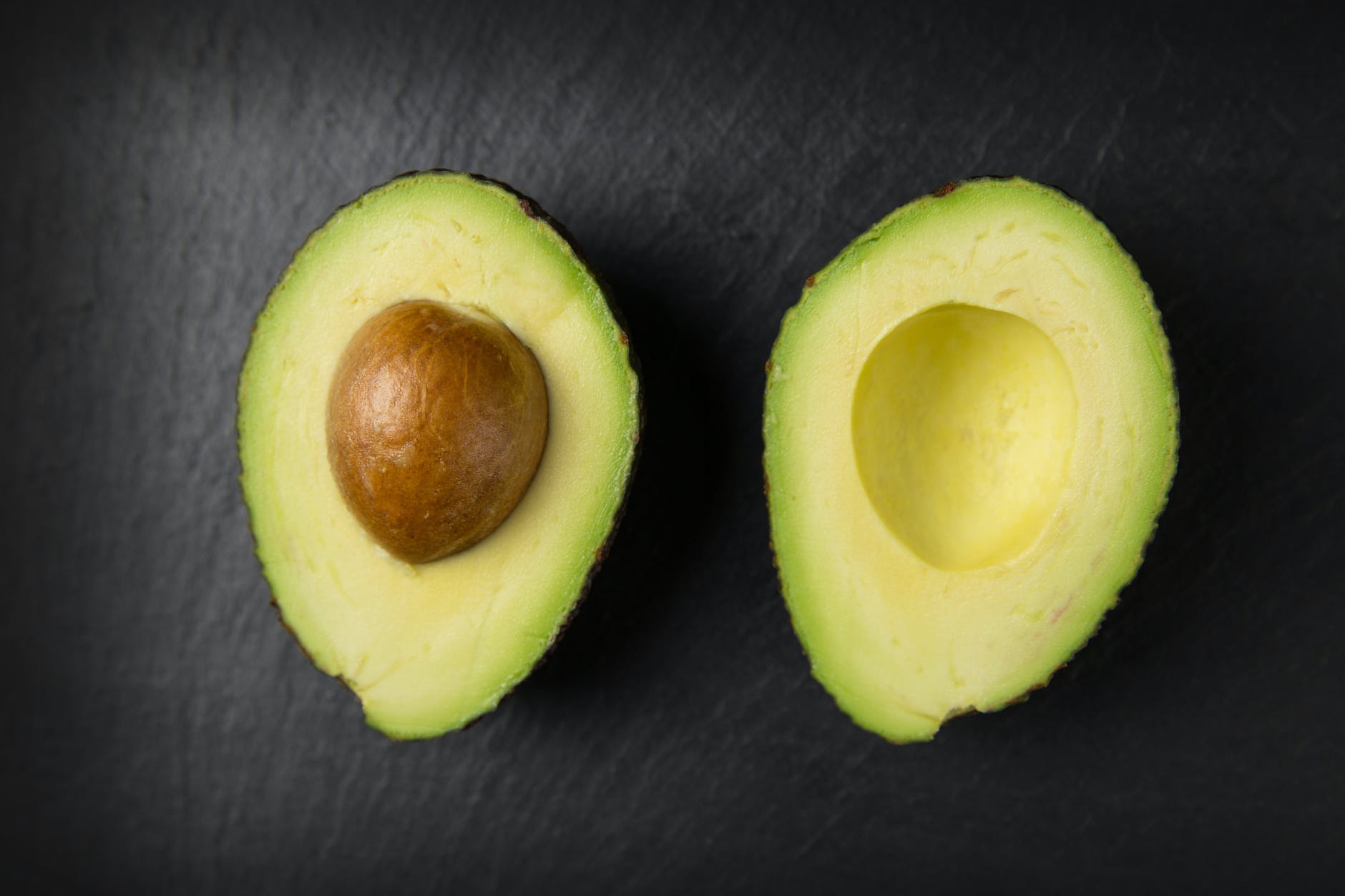
Pumpkin seeds are rich in beneficial oils, zinc, vitamin E and potassium. Pumpkin seed butter is great on crackers or oatcakes as a snack but if mixed with the amazingly nutritious avocado it makes a face mask good enough to eat!
Mash up half an avocado and mix in 1 teaspoon of pumpkin seed butter. Once it is thoroughly mixed (it may take a while!) apply to a clean, dry face. Leave on for around 10 minutes and then wash off with warm water. Don’t worry – despite the rich green colours in pumpkin seed butter and avocado you won’t turn green but your skin will feel silky smooth.
Oat bath
Oats have been used traditionally for irritated skin and they can make a super moisturising bath soak. If you have a blender or smoothie maker you can finely grind porridge oats and add to warm bath water. If you prefer not sit in porridge then put two generous handfuls of oats into a muslin or thin tea towel, tie up with string or use an elastic band (even a hair band would work…) and leave under the bath tap while the hot water is running. Take the muslin out occasionally and give it a good squeeze –the oaty goodness will ooze into the bath water. Hop in and relax!
Oat baths can be calming for reddened, dry and damaged skin and may also be beneficial for skin conditions like eczema.
Olive oil massage
Olive oil is not only rich in essential fats but vitamin E which has protective and nourishing properties. Using extra virgin olive oil (you can add in a few drops of your favourite essential oil if you want an aromatherapy massage) gently apply to the skin and self-massage muscles. This not only nourishes the skin but soothes weary, aching muscles. If you massage from the ends of the fingers and toes and work up towards the heart you may also support lymphatic drainage which helps to support body cleansing. Olive oil makes a great base for a back, neck and shoulder massage, if you have assistance!
Hair care and repair
Coconut oil hair mask
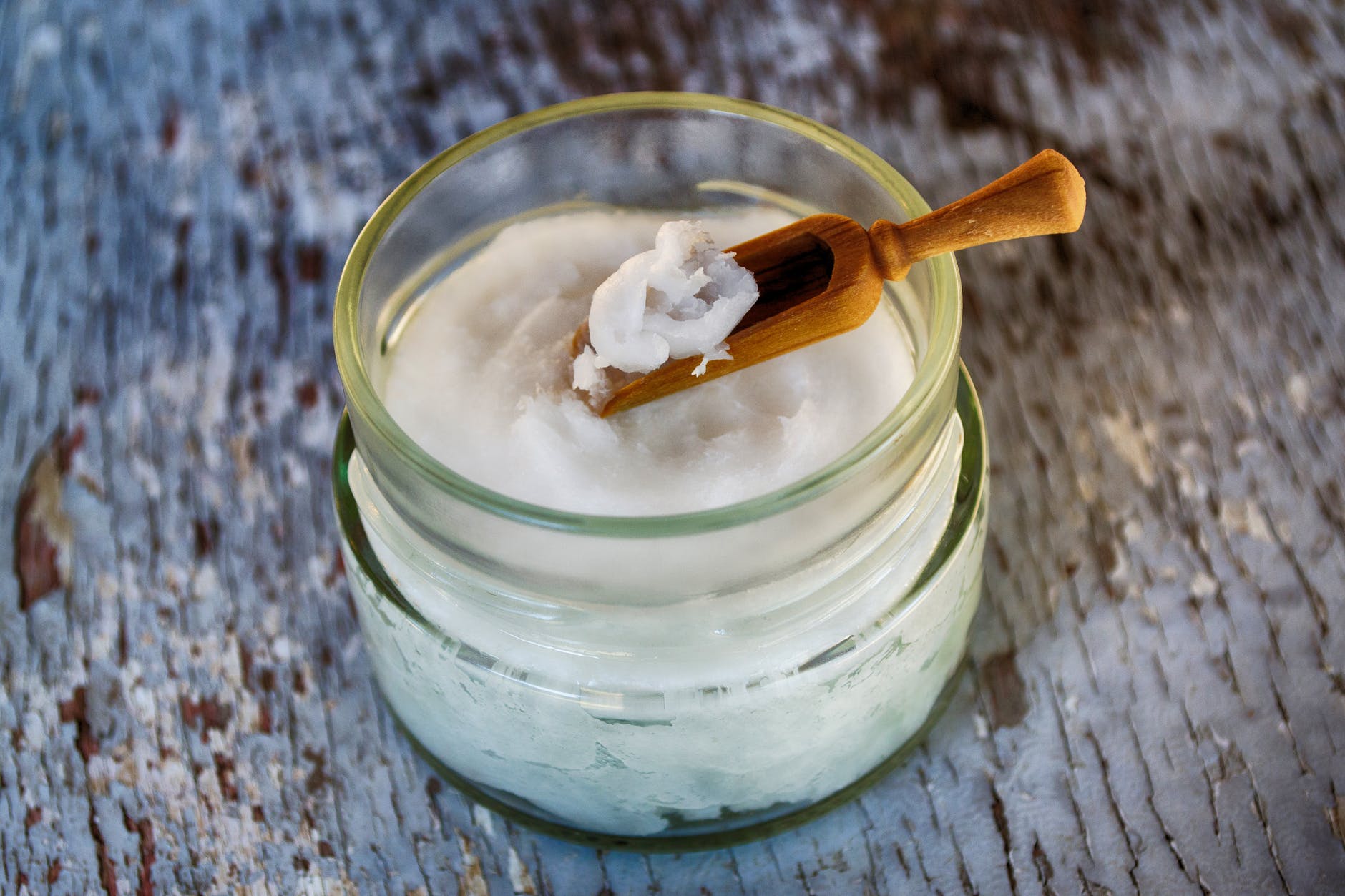
Coconut oil not only has amazing nourishing properties for the skin but when it is applied to the hair it can penetrate the hair shaft for deep conditioning. Due to natural anti-microbial properties, coconut oil is also useful for combatting dandruff!
Warm up a teaspoon or two of coconut oil until it becomes liquid and apply to dry, untangled hair. Use a wide toothed comb to distribute the coconut oil evenly. Wrap up the hair in a warm towel and relax for up to an hour. Shampoo and rinse out as normal. You will be amazed by how soft and nourished you hair will feel.
Banana hair mask
Not everyone likes the smell of a ripe banana but they have a high moisture content and can make a great hair mask. Mash up one banana (size dependant on how much hair you have!) and like the coconut oil mask, apply evenly through your hair. Leave on your hair for 45 minutes under a warm towel before washing out.
Honey and olive oil intensive treatment
Honey has great humectant properties and olive oil brings essential fats to soothe dry, tangle locks. Mix 1 tablespoon of honey with 2 tablespoons of extra virgin olive oil and starting at the roots, apply evenly to the hair. Leave on for 20 minutes before rinsing out with shampoo.
Hair dye disaster!
Ok, so who hasn’t had a hair dye disaster? Whether it is an attempt at home that has gone wrong or the hairdresser not fully interpreting your request – the wrong hair colour can be awful. Apart from using harsh chemicals to remove the unwanted colour – what else can be done?
This one may not be a store cupboard staple but believe it or not your humble vitamin C tablets may come in handy. Vitamin C, also known as ascorbic acid, opens the hair cuticle by causing it to swell and lightens hair colour. It works best on semi-permanent colours and, depending on the strength of the colour, may need to be repeated.
So, what do you do? Simply crush up 8-10 1g tablets of ascorbic acid – make sure it isn’t a buffered form as this is non acidic. Once it is a fine powder mix it in with a clarifying or anti-dandruff shampoo (which also helps to remove the colour) and apply to dry hair. Cover the hair in cooking film wrap. Keeping the hair warm can enhance the process so use a heated towel or wear a hat! Wait for around 1-1 ½ hours and then rise repeatedly.
The good thing about this treatment is that it is non-toxic and is a lot gentler on the hair than chemical removal products.
Moisturise and protect from within
Prevention is better than cure! Make sure you prevent skin and hair from drying out with these simple tips:
- DRINK! It’s not rocket science – the human body is made up of around 60% water. Stay hydrated with fresh water, herbal teas, diluted fruit juices and coffee substitutes. Avoid caffeine containing tea and coffee and alcohol as they may increase water loss.
- Eat omega 3 fats – oily fish such as mackerel, herring, sardines, salmon, pilchards and trout are all great sources of nourishing anti-inflammatory omega 3’s. Vegetarian and vegan sources include walnuts, flaxseed and chia seeds.
- Eat the rainbow – every day. Fruit and vegetables are packed full of skin supportive nutrients. Vitamin C helps with collagen and offers protection through its antioxidant properties. Broccoli, peppers, citrus fruit and guava are rich in vitamin C. Berries are rich in potent antioxidants called anthocyanidins which are known to have stronger antioxidant properties than both vitamin C and vitamin E. They have also been shown to inhibit enzymes responsible for the breakdown of elastin and collagen in structures such as the skin.
So, now you are armed with a few home remedies and top tips your locks will once again be flowing and sleek and your skin will glow with renewed radiance.
Kelly
Stay in touch – Join me on Facebook for more health updates
 Kelly Rose Nutrition Consultancy